


Sardinia's Ancient Monuments Explained
From nuraghi to sacred wells, discover the monuments that tell the story of Sardinia's ancient past.
Nuraghi, domus de janas, Giants' Tombs, sacred wells, menhirs and dolmens are among the most fascinating remnants of Sardinia's ancient past. Scattered across the island's countryside, hills and plateaus, these monuments tell the story of the peoples who inhabited Sardinia thousands of years ago, reflecting their beliefs, traditions and remarkable building skills.
This guide introduces the main types of Sardinian archaeological monuments, helping you recognise them and understand their distinctive features as you explore the island.
Did You Know?
Sardinia is home to more than 10,000 recorded archaeological sites scattered across the island, making it one of the world's richest archaeological landscapes.
Nuraghi
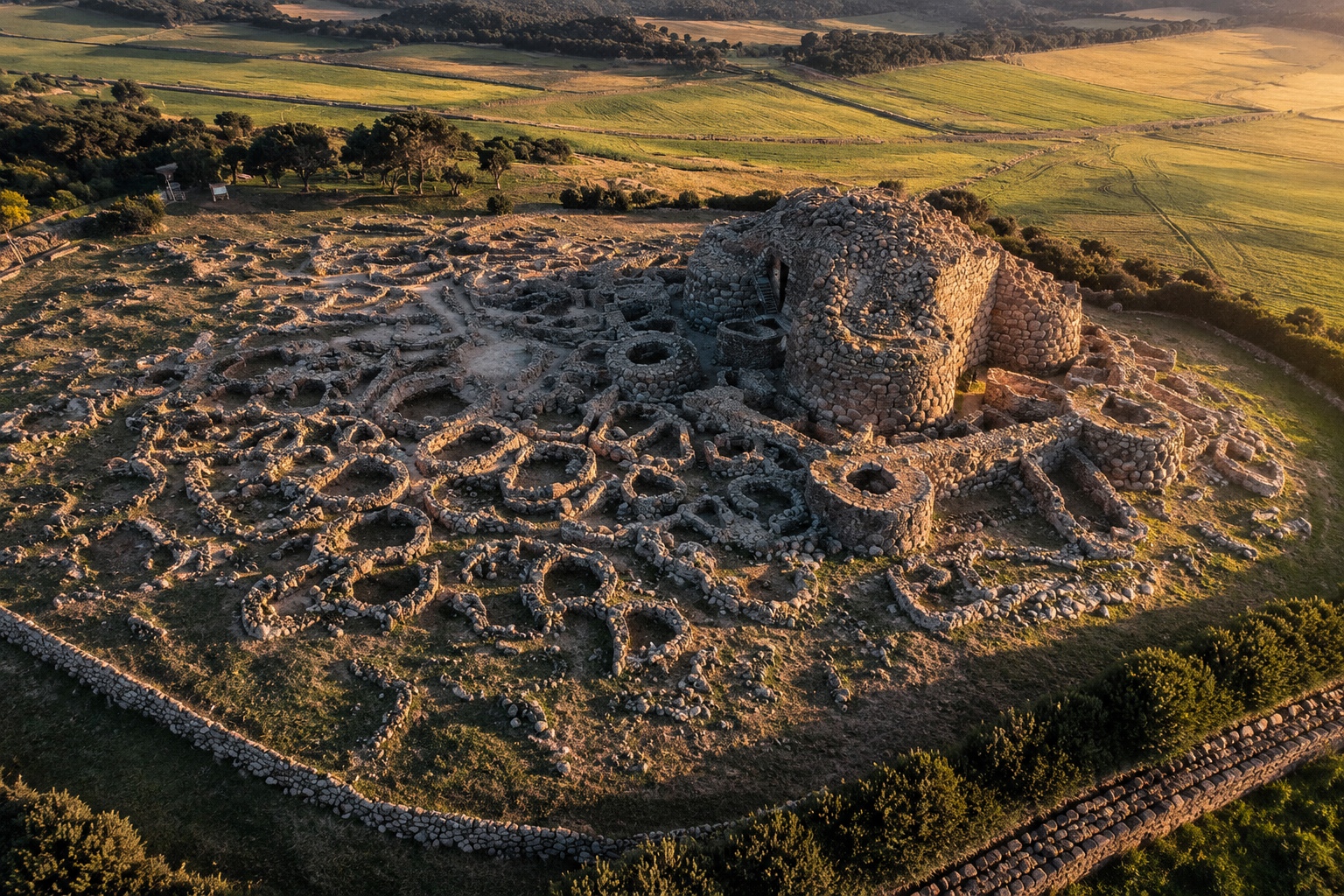
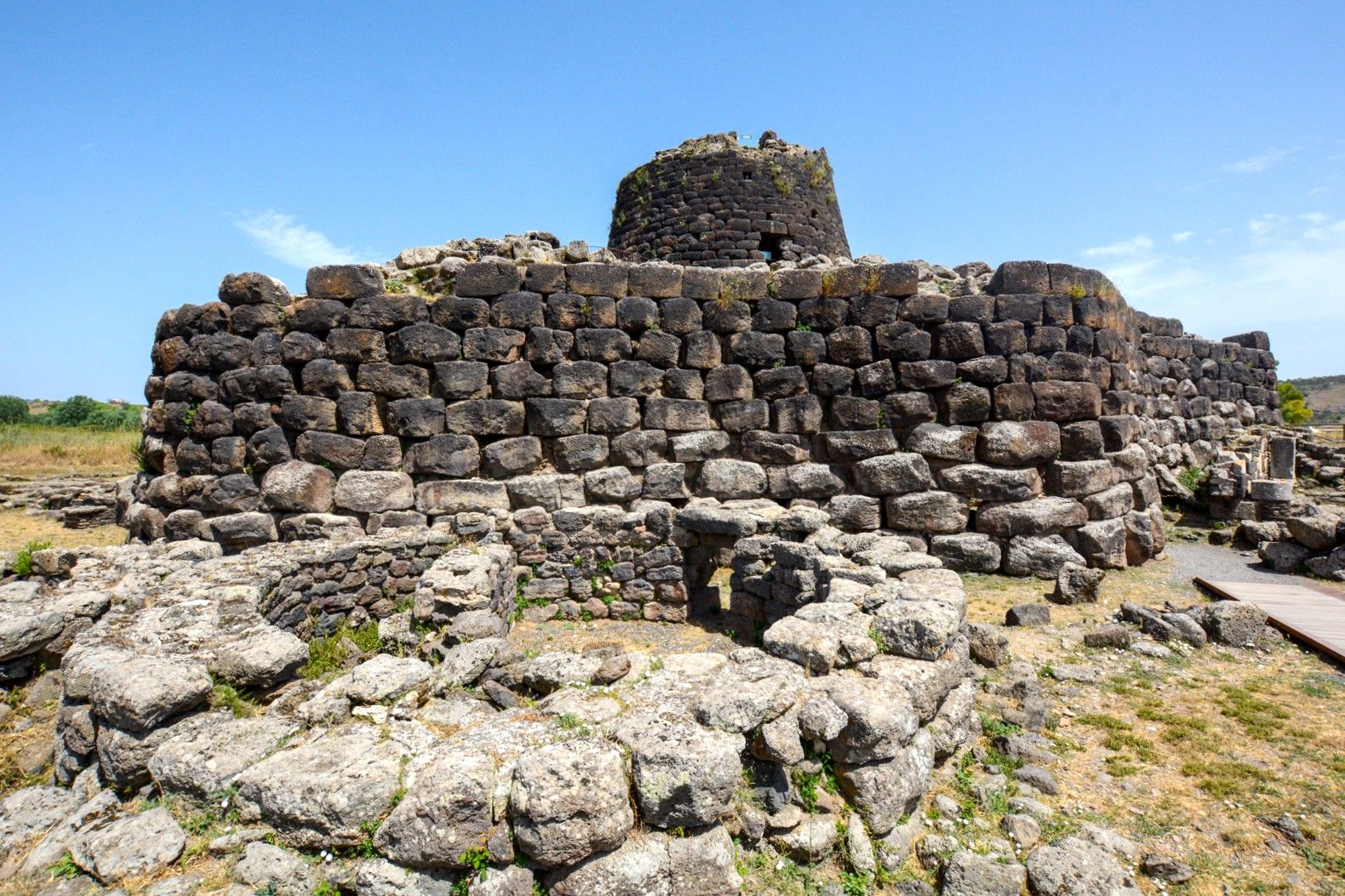
Rising across the landscape like giants of basalt and granite that have withstood millennia, wars and storms, nuraghi are the most iconic symbol of Sardinia and one of the most remarkable architectural achievements of prehistoric Europe.
It is estimated that between 7,000 and 8,000 nuraghi can still be found throughout the island, from the coastlines to the mountains. They stand as enduring witnesses to a civilisation that shaped the Sardinian landscape for centuries. Some were simple standalone towers, while others formed part of larger complexes that included villages, sacred wells and spaces dedicated to community life.
Once used for defence, residence and communal activities, these imposing stone structures continue to bear witness to the greatness of a civilisation that remains, in many ways, shrouded in mystery.
Domus de Janas
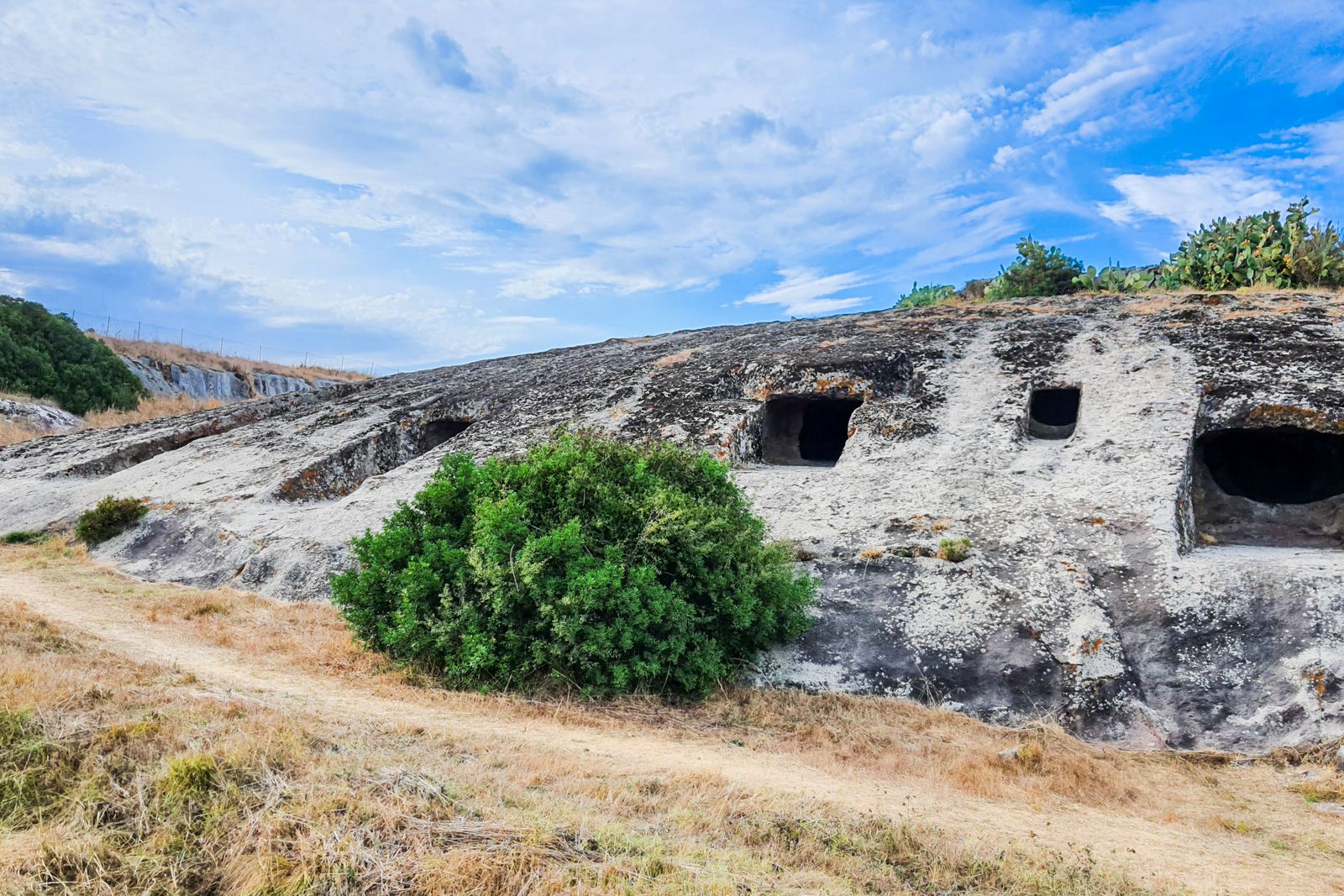
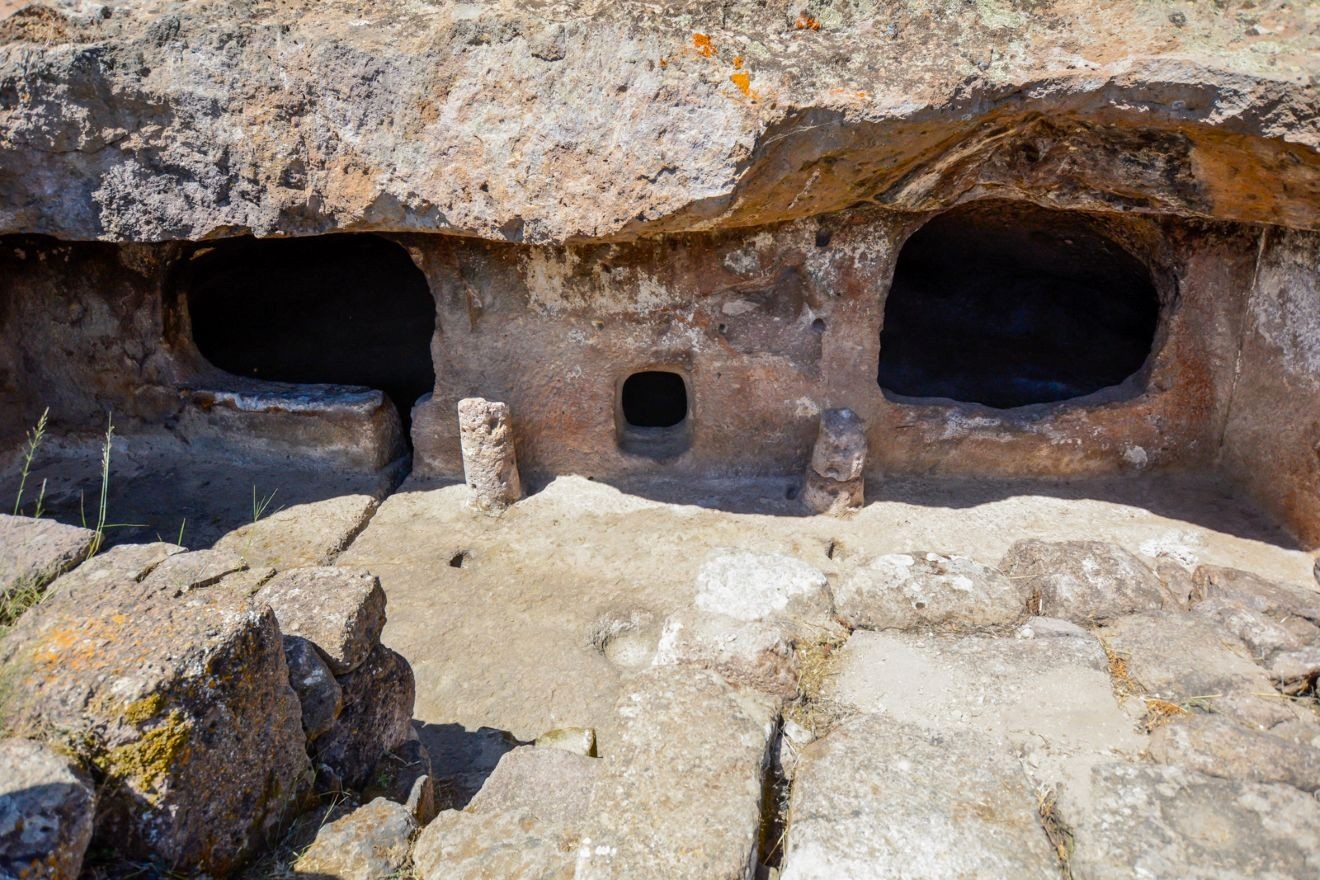
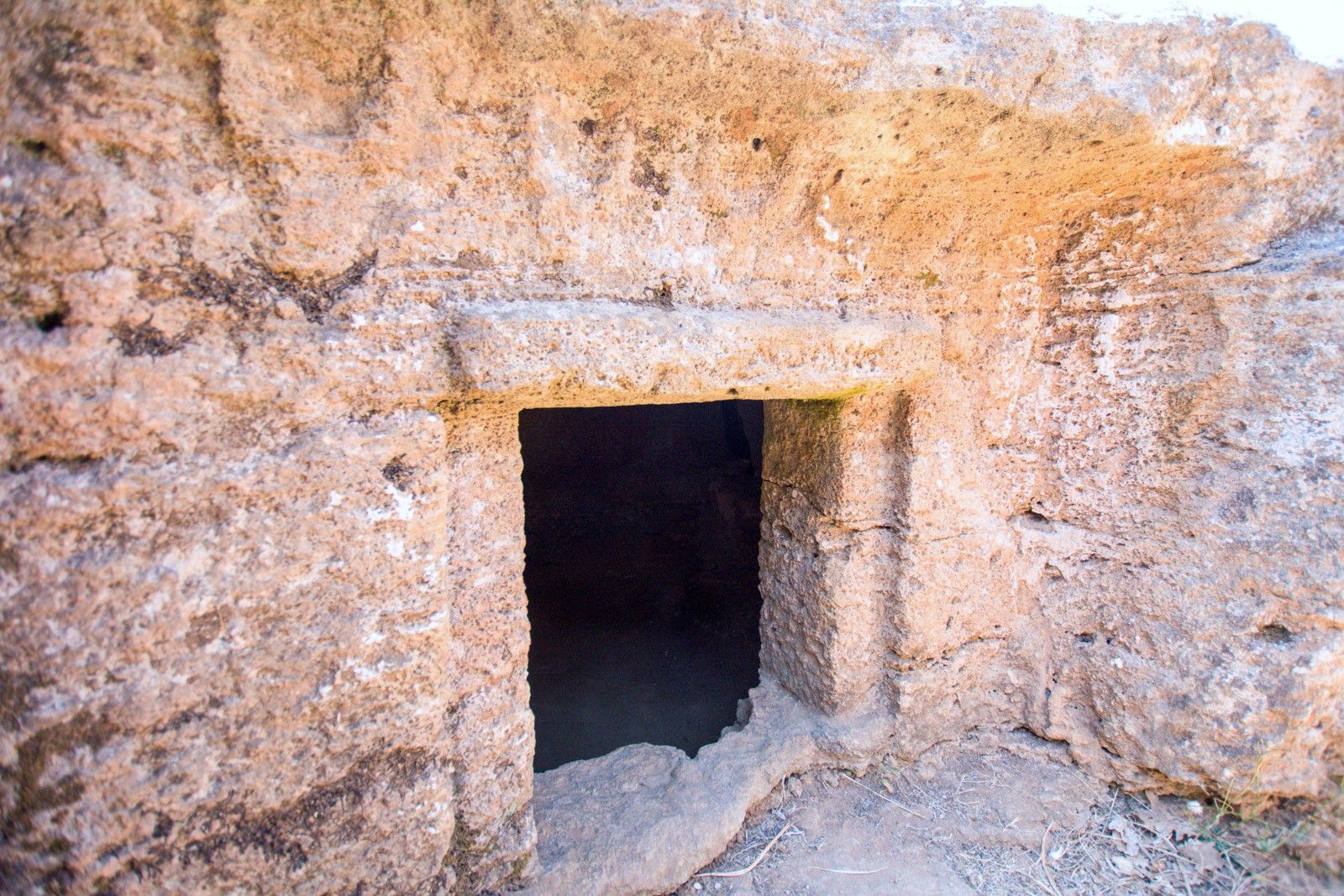
Known as the "Houses of the Fairies", these are in fact ancient rock-cut tombs dating back to the Neolithic period. Stepping through their entrances means entering underground chambers that preserve one of the Mediterranean's most remarkable prehistoric funerary heritages.
More than 3,000 domus de janas have been identified across Sardinia. Some feature multiple chambers and symbolic carvings etched into the stone, offering valuable insight into the religious beliefs and the complex relationship that prehistoric communities had with life and death.
Their name comes from the janas, legendary fairy-like figures of Sardinian folklore who were once believed to have carved these chambers into the rock.
Tombe dei Giganti
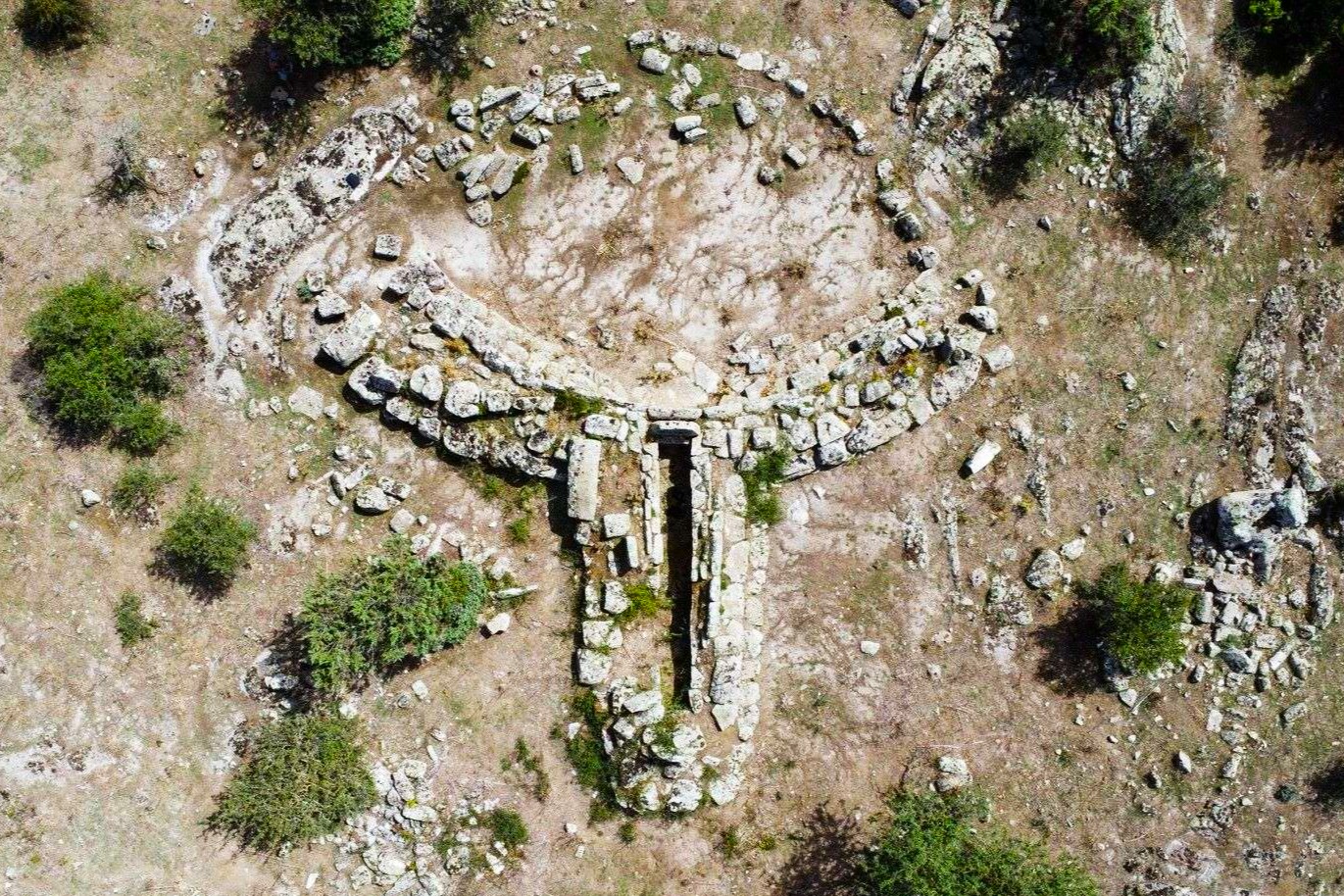
Impressive and monumental, the Giants' Tombs are among the most fascinating legacies of the Nuragic civilisation. These collective burial monuments are distinguished by their large semicircular forecourts, often oriented towards the sun and designed as places of remembrance and ritual.
Around 800 Giants' Tombs have been recorded across Sardinia, although recent studies suggest that the total number may be as high as 1,400. Found from the coastlines to the island's inland regions, they reflect the importance that Nuragic communities placed on the veneration of their ancestors.
Even today, these remarkable structures preserve the memory of a civilisation that made community life one of the foundations of its identity.

Menhir
Standing tall against the sky and shaped by the passage of time, menhirs are among the oldest surviving traces of human presence in Sardinia. Whether standing alone or arranged in alignments, they have dotted the landscape for thousands of years, retaining a sense of mystery that continues to captivate visitors today.
Around 740 menhirs have been recorded across the island, making Sardinia one of the richest regions in Europe for these megalithic monuments. Their exact purpose remains partly unknown, although they may have served as places of worship, territorial markers, or sites connected to astronomical observation.
Even today, menhirs continue to intrigue both scholars and visitors, standing as silent witnesses to a time when the relationship between people, nature and the sacred was deeply intertwined.
Pozzi Sacri
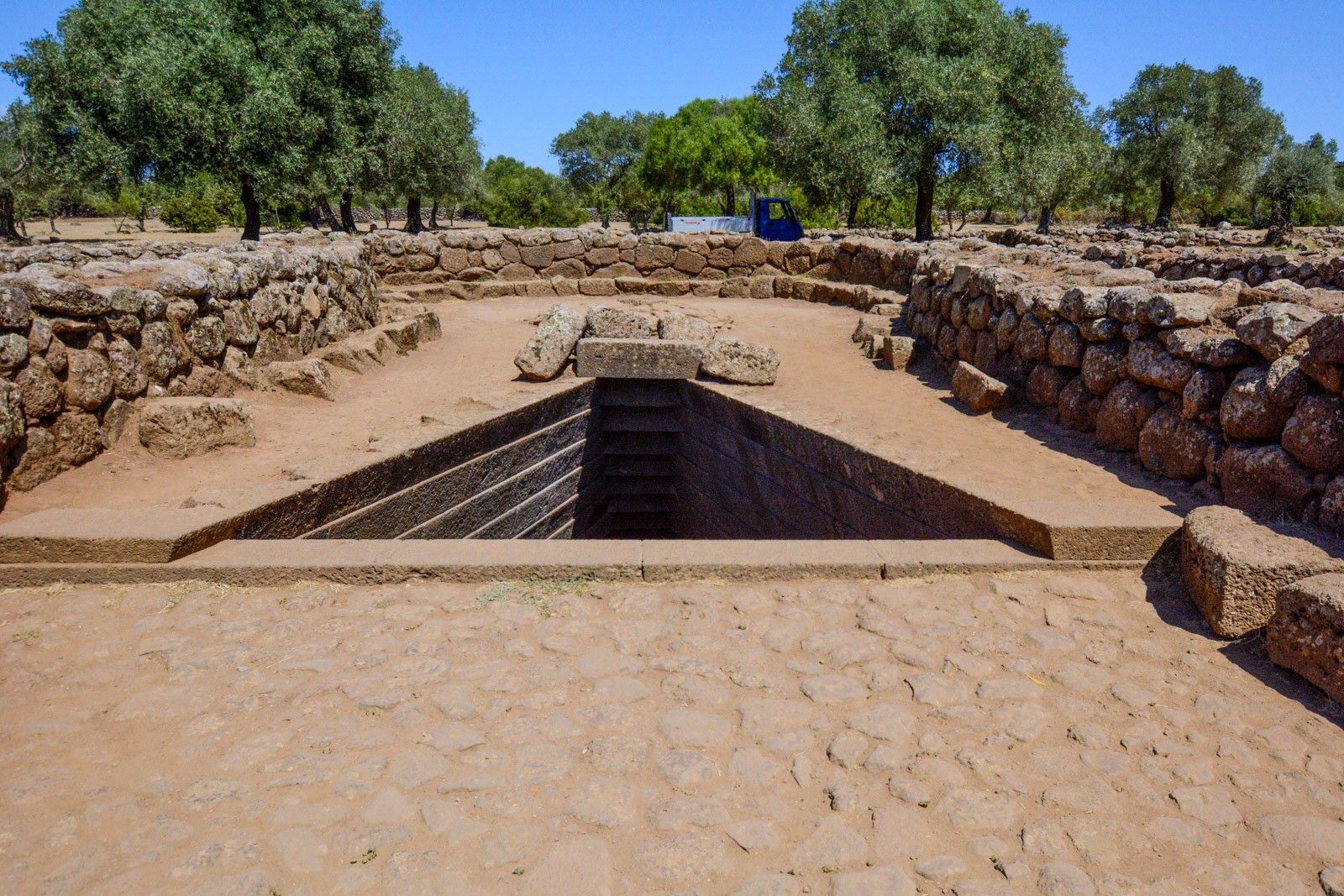
Sacred Wells are among the most remarkable engineering achievements of the Bronze Age, built with a level of precision that continues to astonish scholars and visitors alike.
Including both sacred wells and sacred springs, Sardinia is home to more than 70 water sanctuaries, reflecting the profound connection that the Nuragic civilisation had with this vital element. These sites were used for religious ceremonies associated with fertility, renewal and the sacred realm.
Even today, their architectural harmony and the mystery surrounding the rituals once performed there make them some of the most fascinating monuments of the Nuragic world.
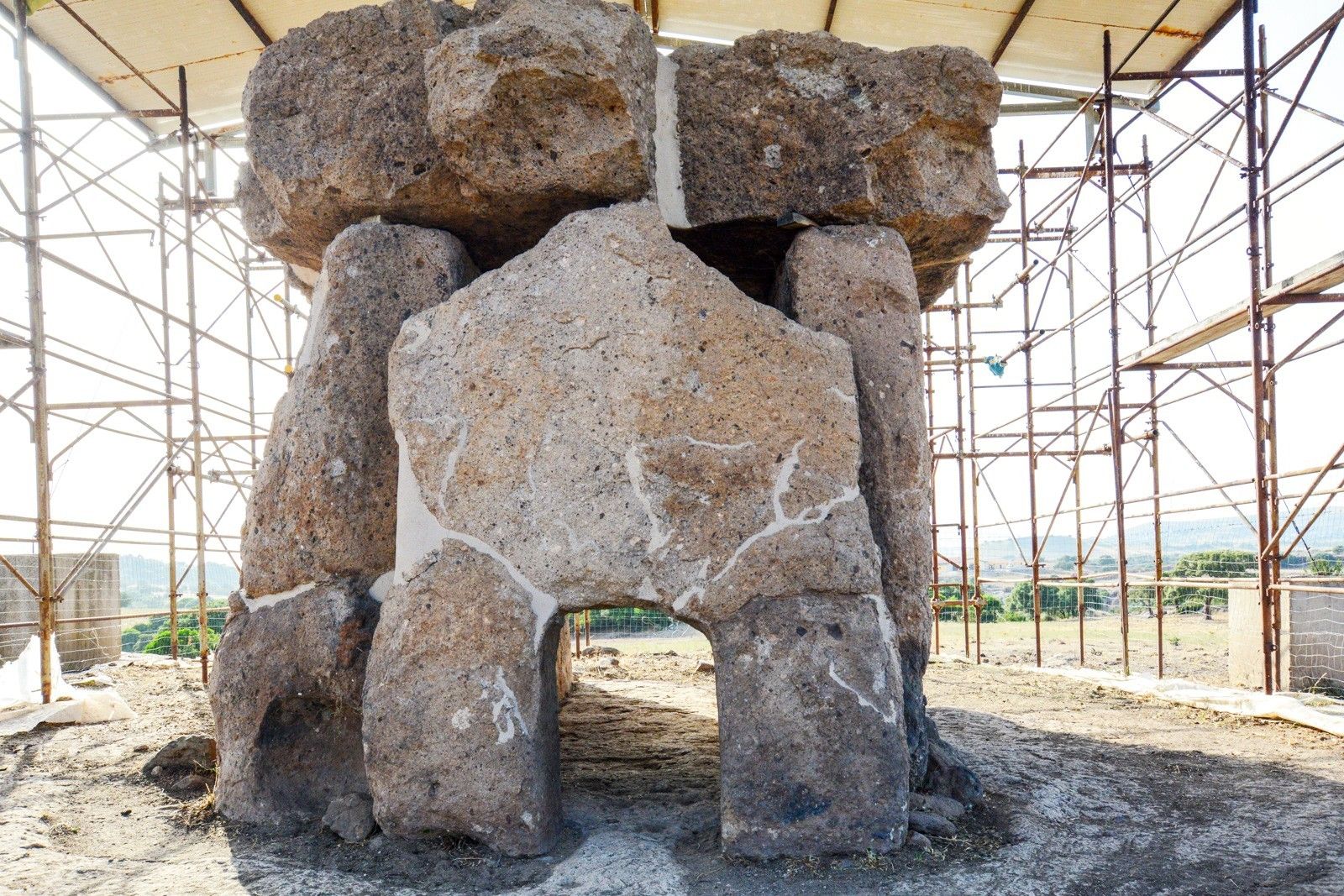
Dolmen
Simple in form yet monumental in presence, dolmens are among the oldest megalithic structures in Sardinia. Formed by large stone slabs arranged to create burial chambers, they resemble gateways to the distant past and stand as enduring evidence of rituals and beliefs dating back thousands of years.
Around 200 to 300 dolmens have been identified across the island, most of them located in the central and northern regions. Their presence places Sardinia among the areas of the western Mediterranean richest in prehistoric megalithic monuments.
A simple yet remarkably enduring form of architecture, dolmens have withstood the passage of millennia. Even today, they bear witness to the deep respect that ancient communities held for the memory of their dead.
But the story doesn’t end there…
Sardinia is also home to unique monuments such as the pre-Nuragic altar of Monte d’Accoddi, the mysterious protonuraghi, the megaron-style temples, the statues of Mont’e Prama, and numerous other remains that tell a story spanning more than seven millennia. A remarkable mosaic of cultures and civilizations that makes Sardinia one of the most significant archaeological landscapes in the Mediterranean.
Must-visit archaeological sites
Plan an Archaeological Itinerary
Let us know which sites you’d like to visit, and we’ll create a tailor-made itinerary for you.