To truly understand the scale and ambition of Nuragic Gallura builders, one must stand before the monolith of the giants' tomb of Moru.
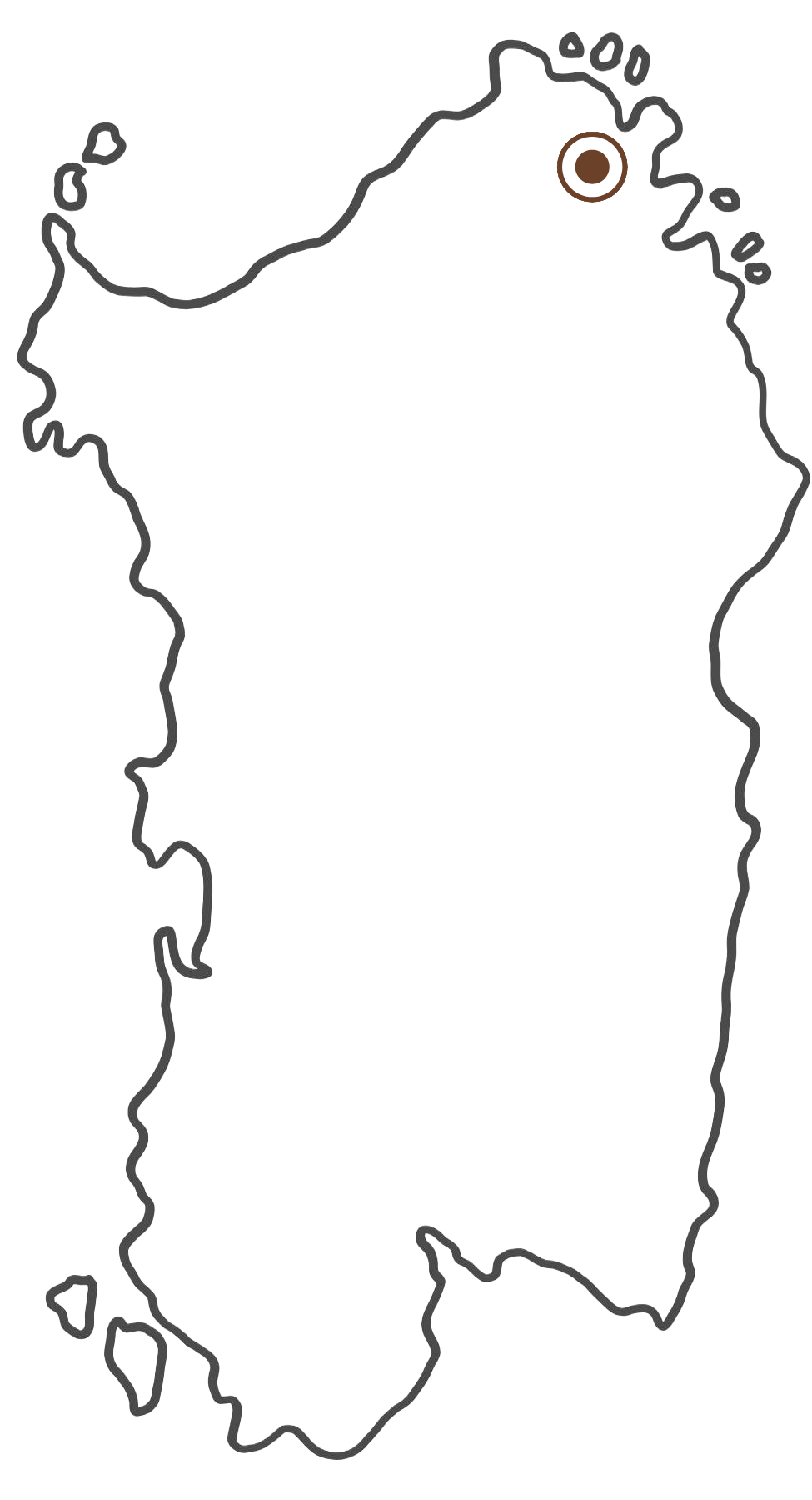
Located in the territory of Arzachena, this exedra sepulcher does not hide its grandeur but instead displays it with a very tall, well-worked central granite slab that serves as the true cornerstone of the entire complex.
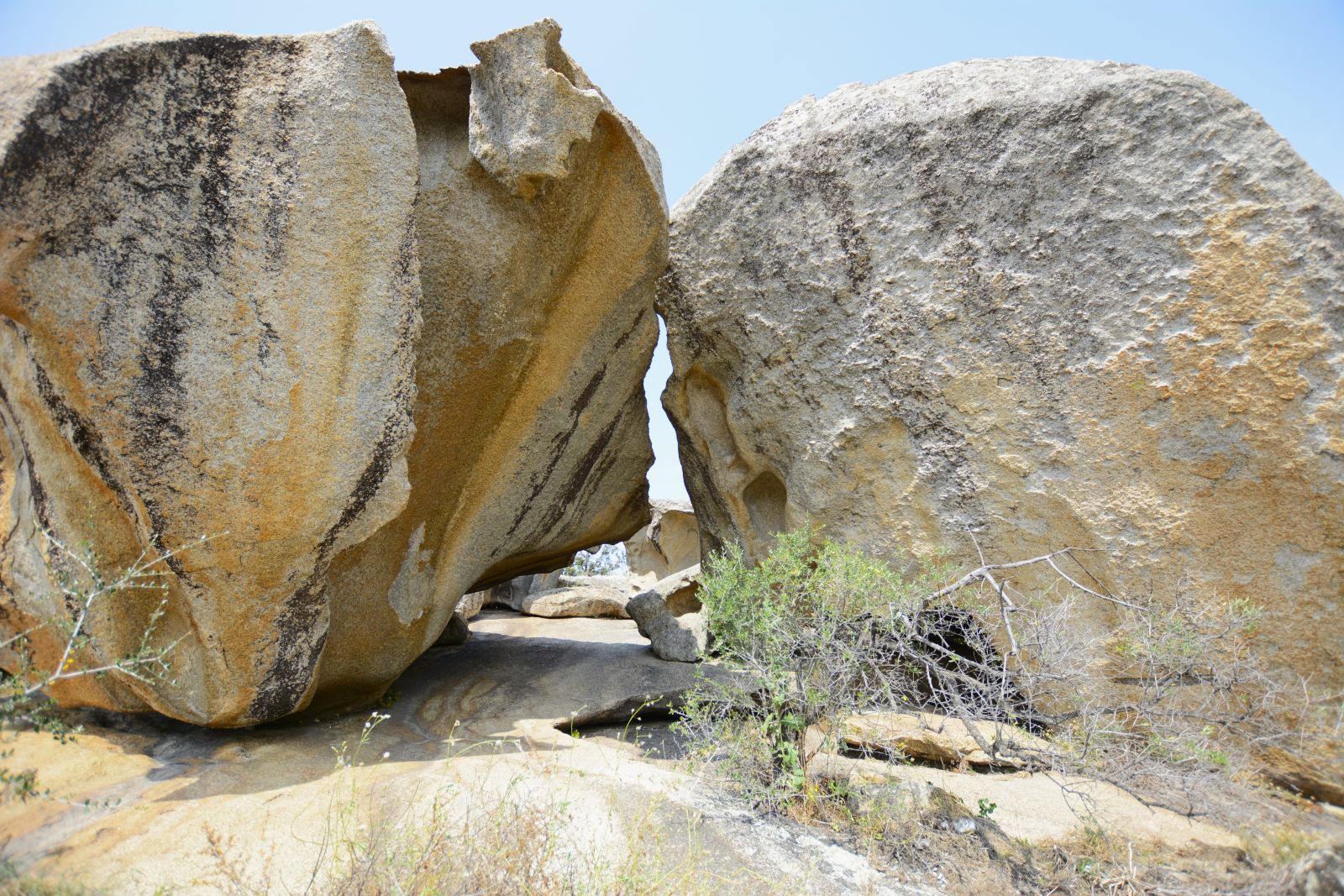
The site immediately strikes visitors with the visual impact of its outer hemicycle. A row of stone stelae planted vertically into the ground widens on both sides of the entrance to form a broad natural square, designed to gather the population during commemorations of the deceased and seasonal rites. At the base of the main stone, the narrow access slit remains clearly visible. This was not a passage for the living, but a symbolic loophole conceived to let the souls of the ancestors pass through and to introduce the community offerings into the long rear funerary corridor.
Excavations carried out in the area have brought to light ceramic cups, baking pans, and bronze fragments that confirm how the site was a point of reference for several villages in the area. Moru retains an extraordinary visual energy, where the severe geometry of the granite blends with the vegetation to offer one of the clearest portraits of the cult of the dead in Bronze Age Sardinia.