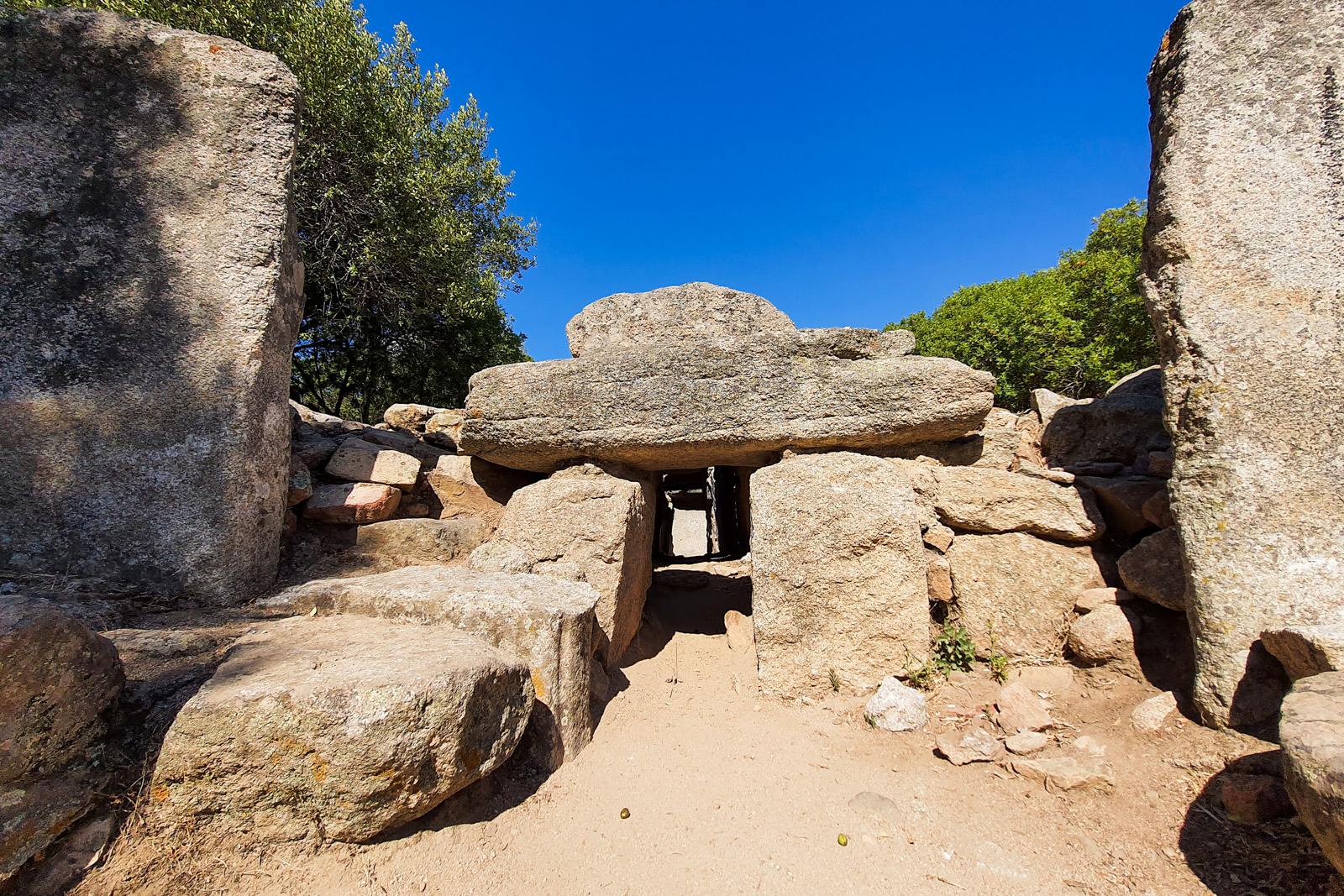
In their time, thousands of years ago, they were the very heart of social and spiritual life across entire territories. Today, they stand as prehistoric monuments of almost fairytale charm, steeped in mystery and mysticism.
There are around forty Sacred Wells in Sardinia, and without a doubt, the well of Sa Testa is among the most significant on the island.
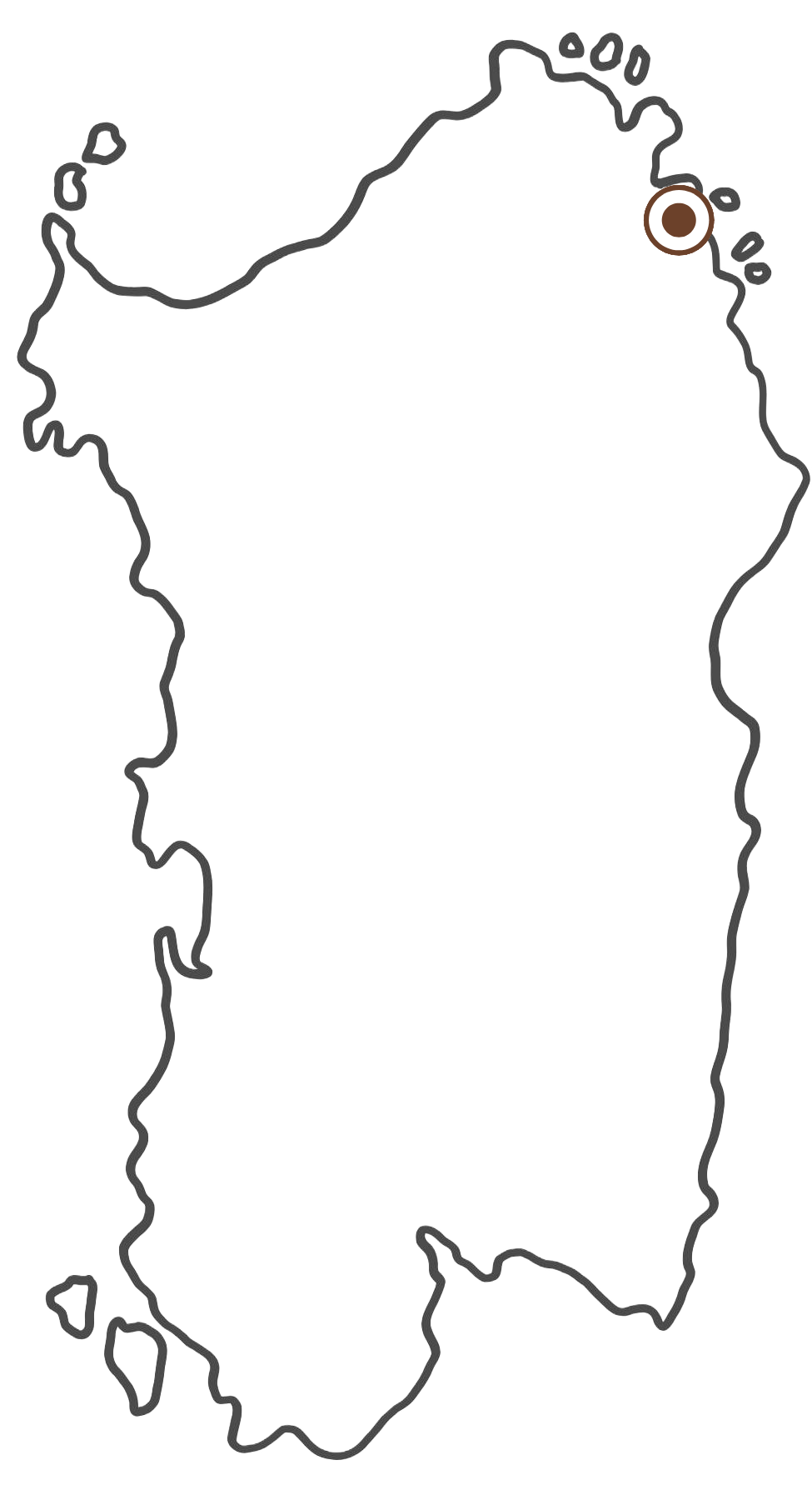
It lies virtually overlooking the Olbia fjord, just a short distance from the town along the road to Pittulongu, set like a jewel in a paradise renowned worldwide for its sparkling sea.
Yet, although it is still water we are speaking of, the protagonist of this story is not the sea, but the water that has sprung ceaselessly from the depths of the earth since the dawn of time—an element that has always been the true and indispensable elixir for human development.
For this very reason, and because of its precious rarity, ancient prehistoric peoples attributed to water a divine nature, venerating it through the creation of sacred places where the holy element could be celebrated and preserved.
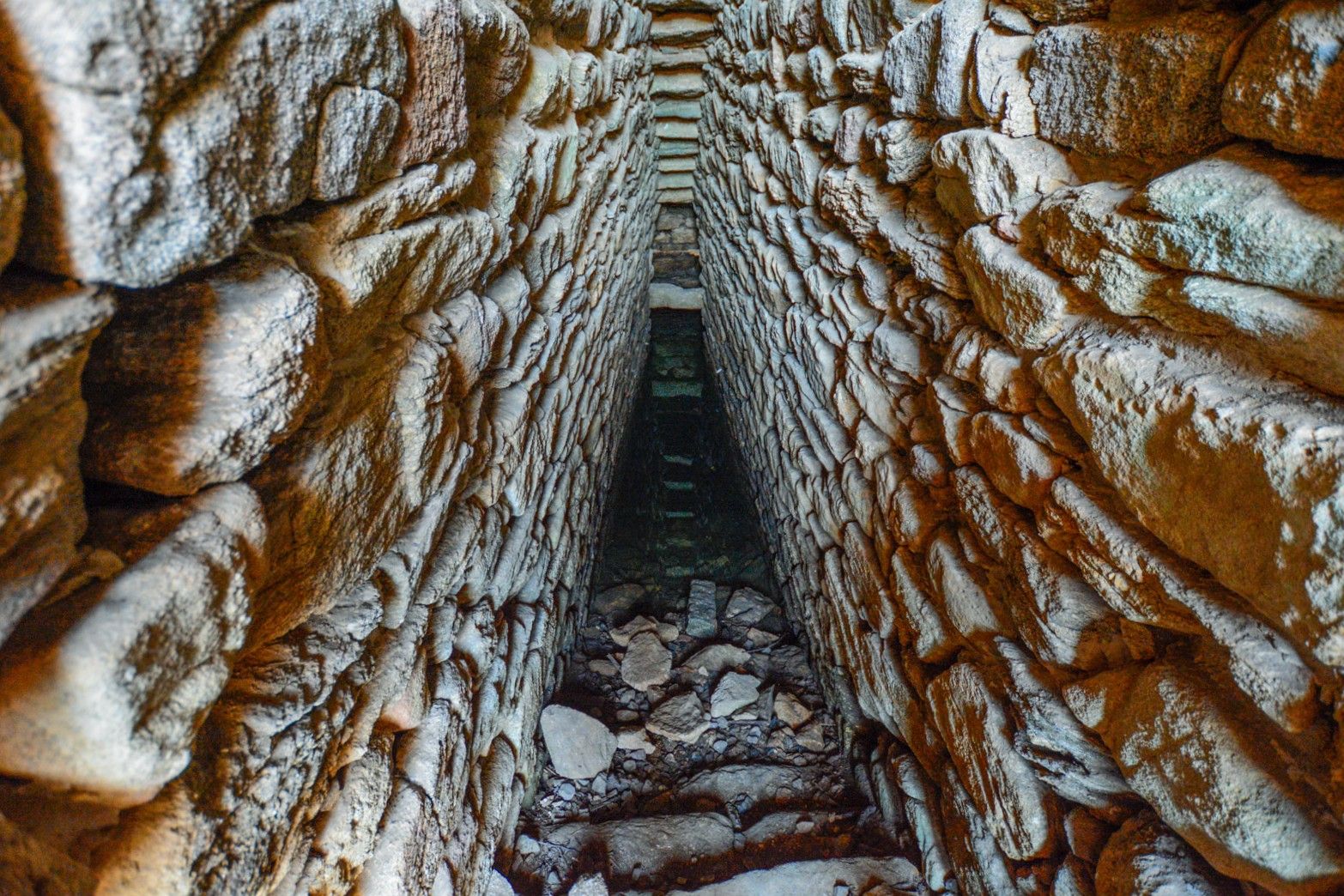
The Nuragic spring of Sa Testa is built entirely of granite and schist blocks, and today—thanks also to the restoration and preservation works carried out in the 1960s—we can still admire the remarkable skill with which it was constructed.
During the excavations, the site’s would-be Indiana Jones unearthed numerous objects that bear witness to its use and significance for the different peoples who succeeded one another here through the centuries: a bronze bracelet and ring, a small dagger, decorated cups and plates, and clay jugs—a true treasure now kept in the National Archaeological Museum of Cagliari.