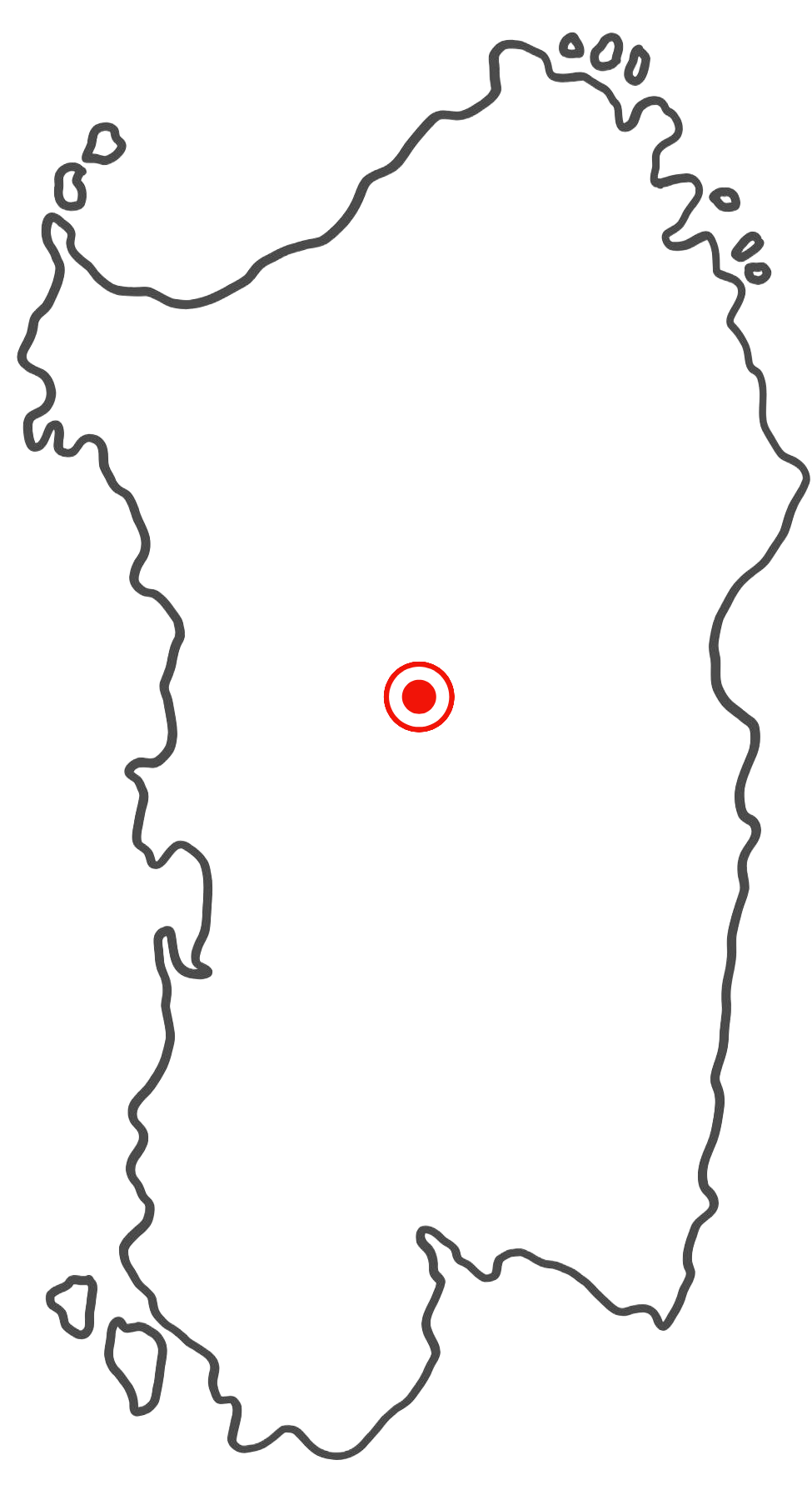
If you think you already know the most authentic side of Sardinia, Ottana is one of those places that will surprise you the moment you set foot in it. From the very first glance, you realise that every detail here has something to tell.
The main landmark is the Church of San Nicola, one of the most impressive examples of Pisan Romanesque architecture in Sardinia. Its façade, built with alternating dark and light trachyte, creates a striking and unmistakable contrast, while the solid lines of the structure naturally dominate the surrounding space and guide your visit through the village.
Alongside this iconic presence, Ottana reveals another of its defining features during Carnival, when the masks of the Boes and Merdules move through the streets with rhythmic steps and gestures that echo ancient agro-pastoral rituals. It adds another layer of meaning to a place that tells its story not only through architecture, but also through living traditions.
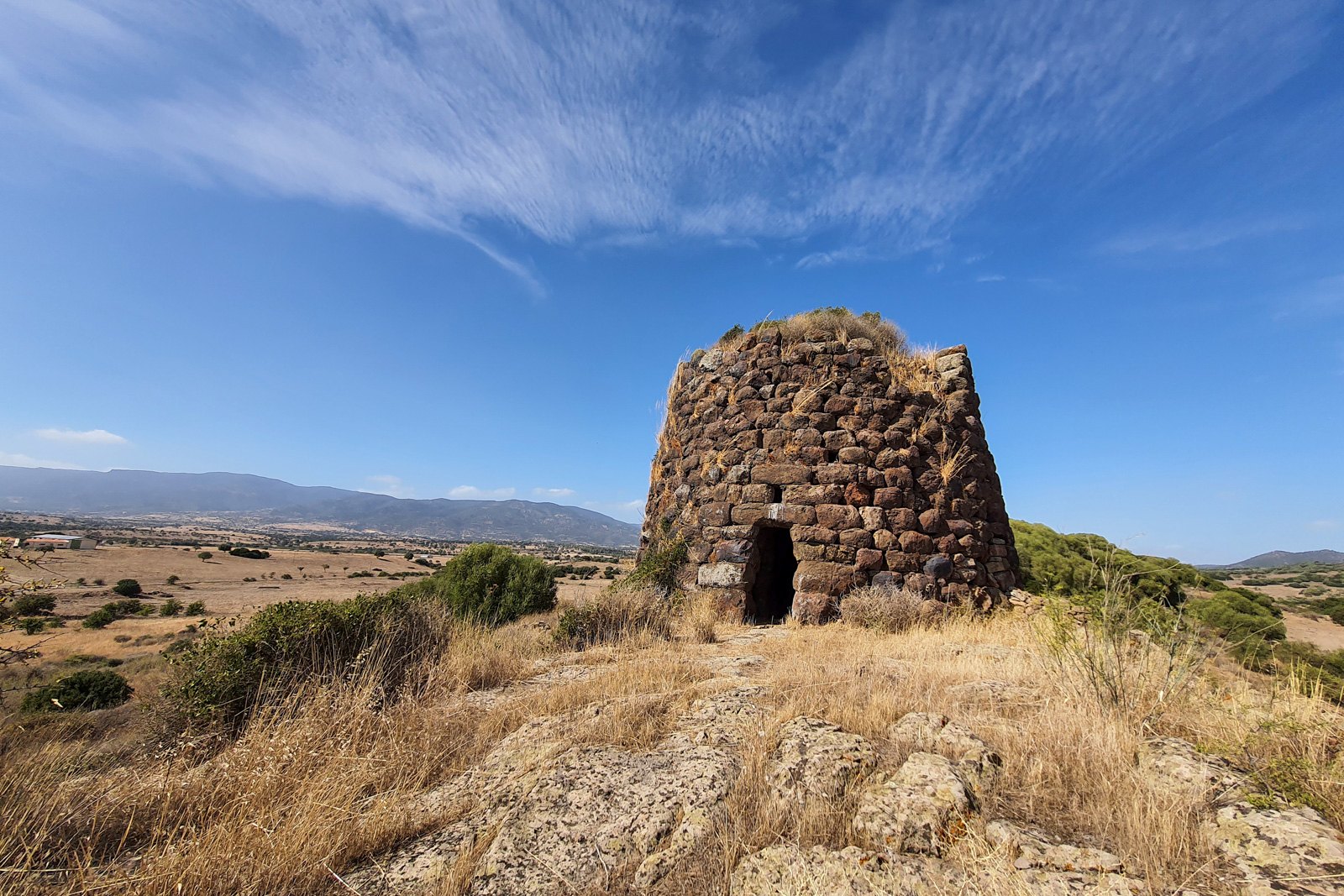
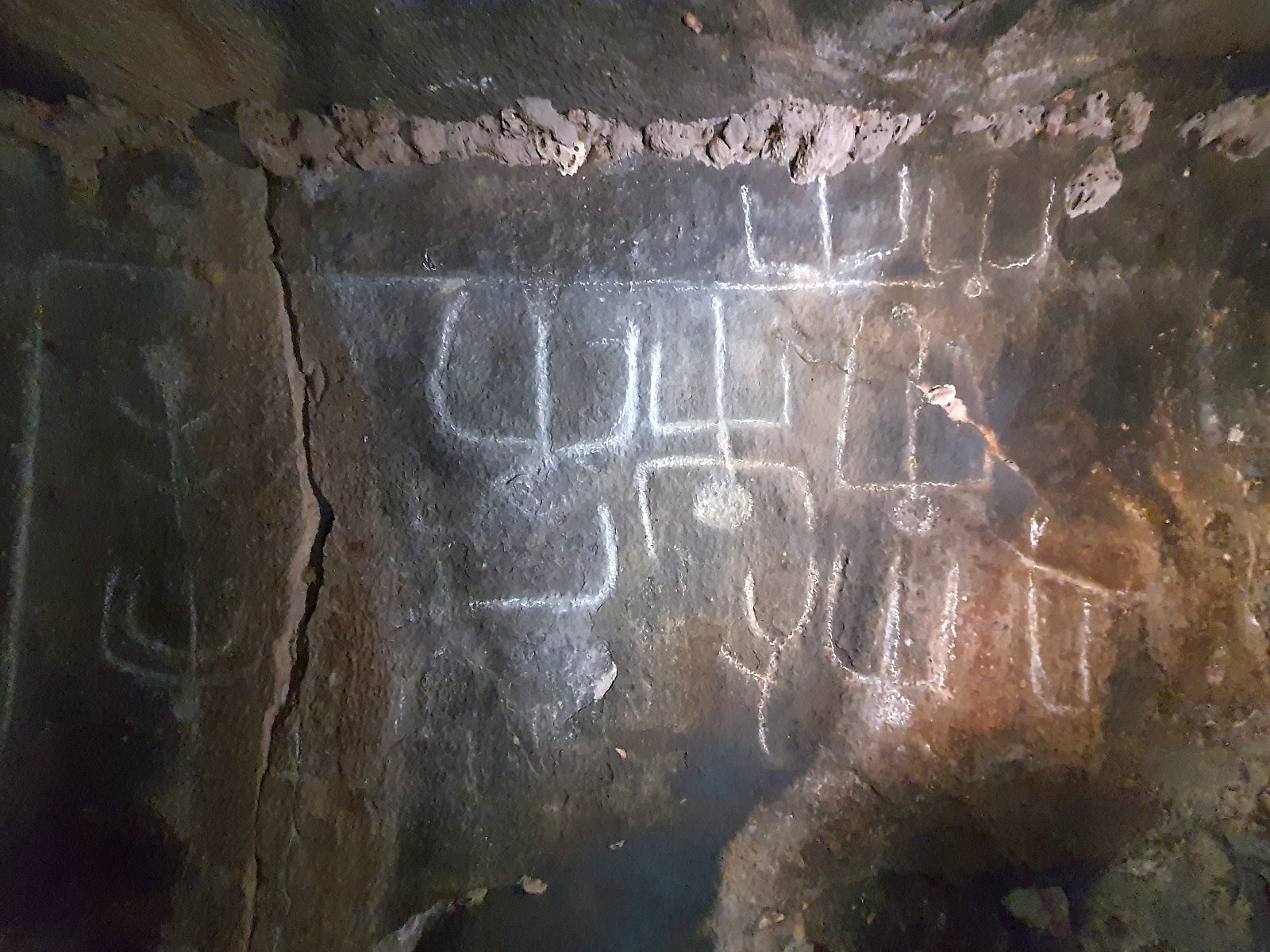
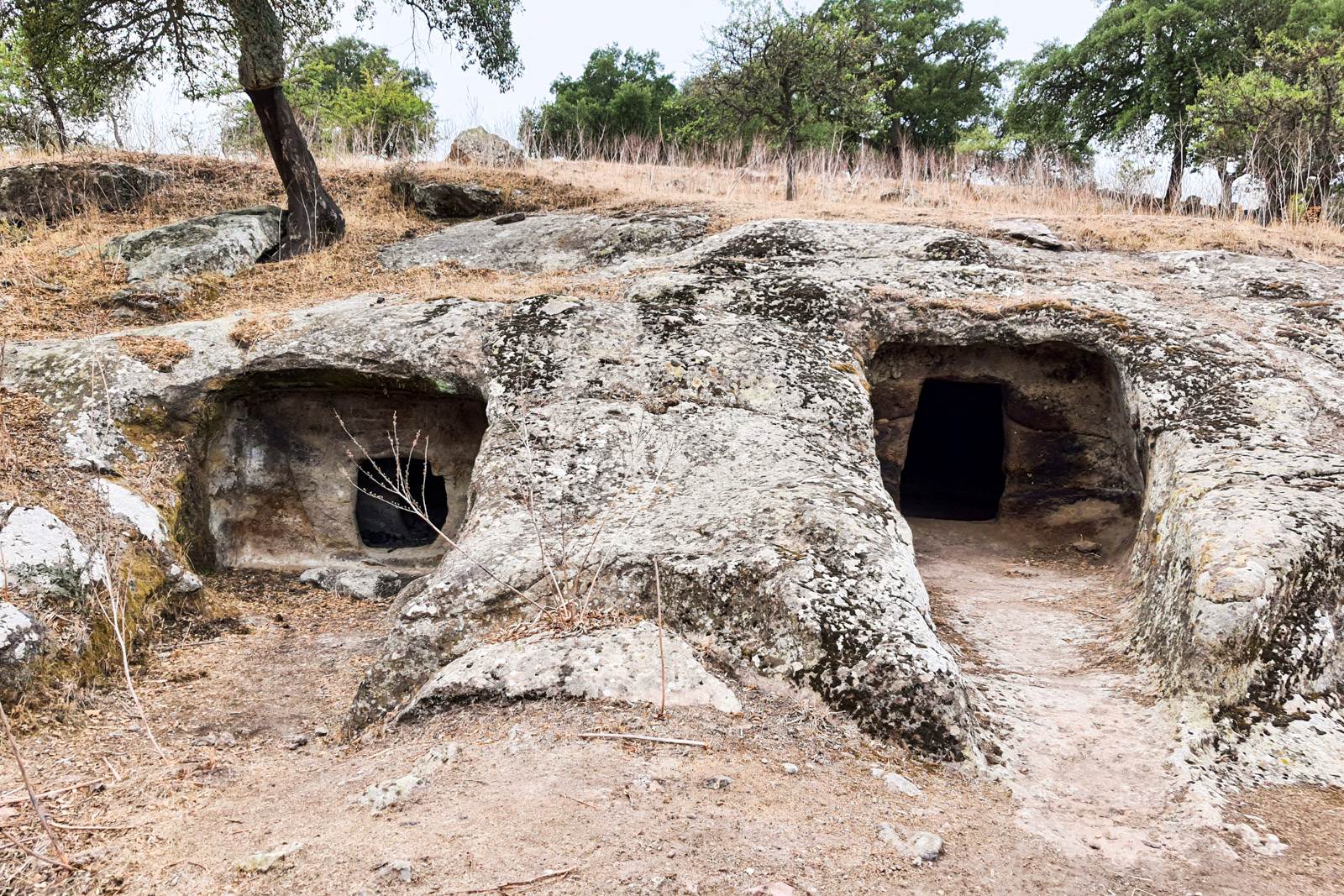
Walking through the village streets, you enter a more everyday dimension—squares, houses, and glimpses of a community still closely tied to its habits. Yet it is the surrounding territory that completes the experience. The area is rich in archaeological sites that testify to human presence since ancient times, including the Nuraghe Athethu, the Giants' Tomb of S'Altare de Logula, the Menhir Sa Pedra 'e Taleri, and the Nuraghe Corbos, all set within a landscape of countryside, plateaus, and rolling hills typical of Barbagia.
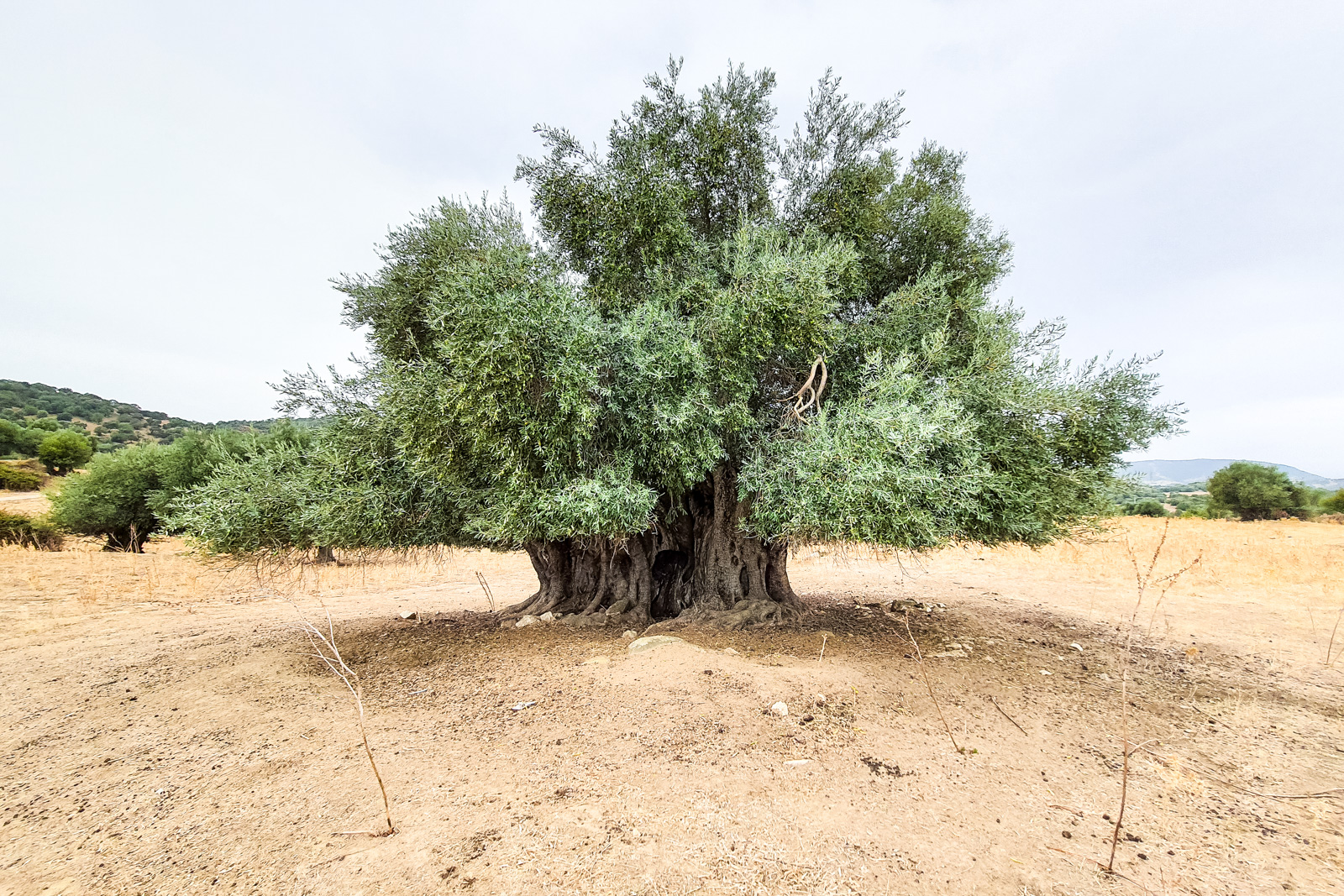
A short distance away lies another curiosity worth the detour: the Valeri Millenary Olive Tree, an impressive ancient tree that adds yet another layer to an already history-rich setting. In this way, Ottana becomes part of a wider area where architecture, traditions, and archaeology coexist within a short distance, offering a complete and tangible insight into inland Sardinia.