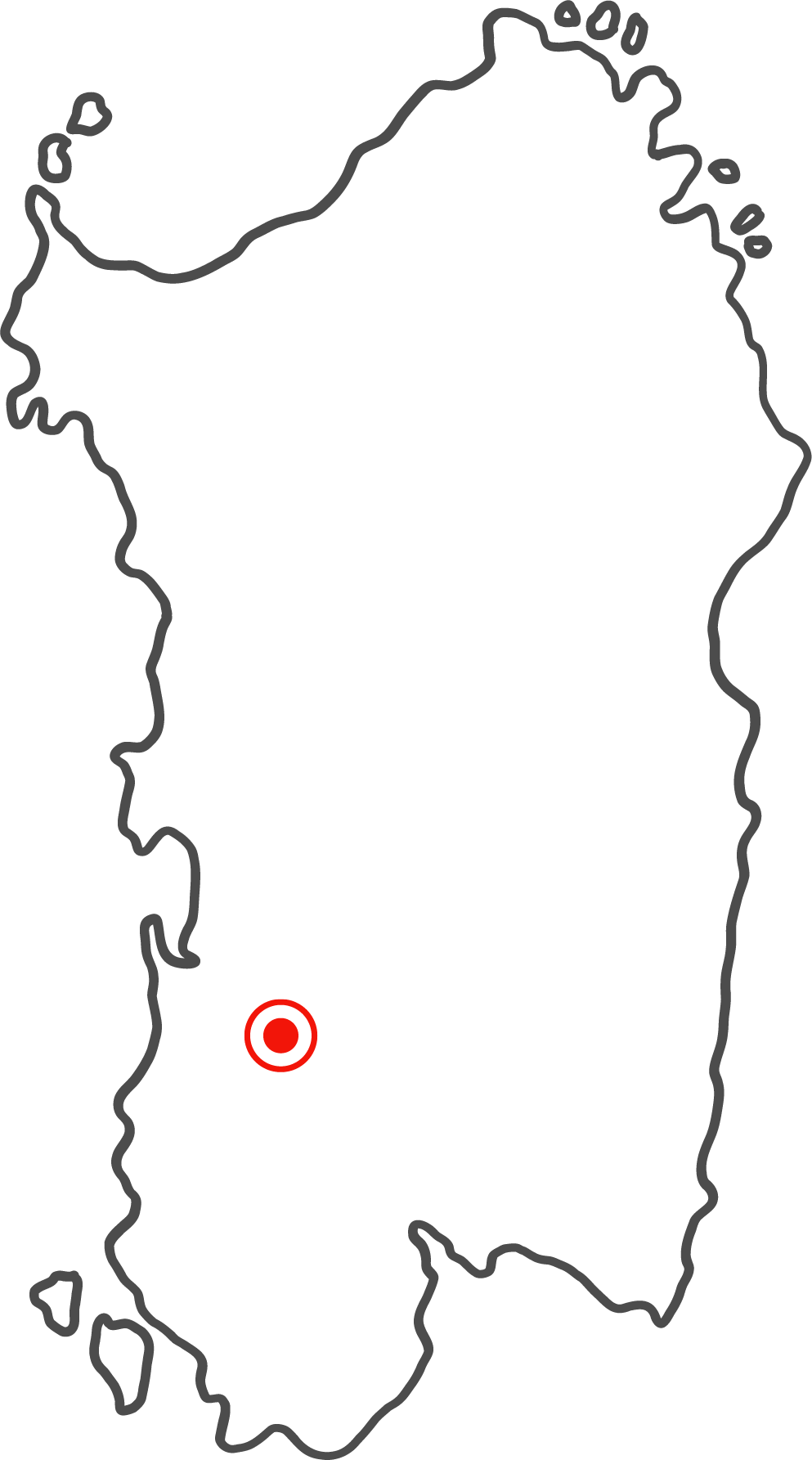
A mining hamlet of Arbus that once counted around 5,000 inhabitants.
Or at least, that’s what we would say if we were back in the heyday of Ingurtosu, when the extraction and production of lead, zinc, and silver (which began as early as 1855) were at their peak. This little village, nestled among mountains and endless greenery, could then boast a post office, schools, a Carabinieri barracks, company shops, a tobacconist, and even a cinema and a hospital.
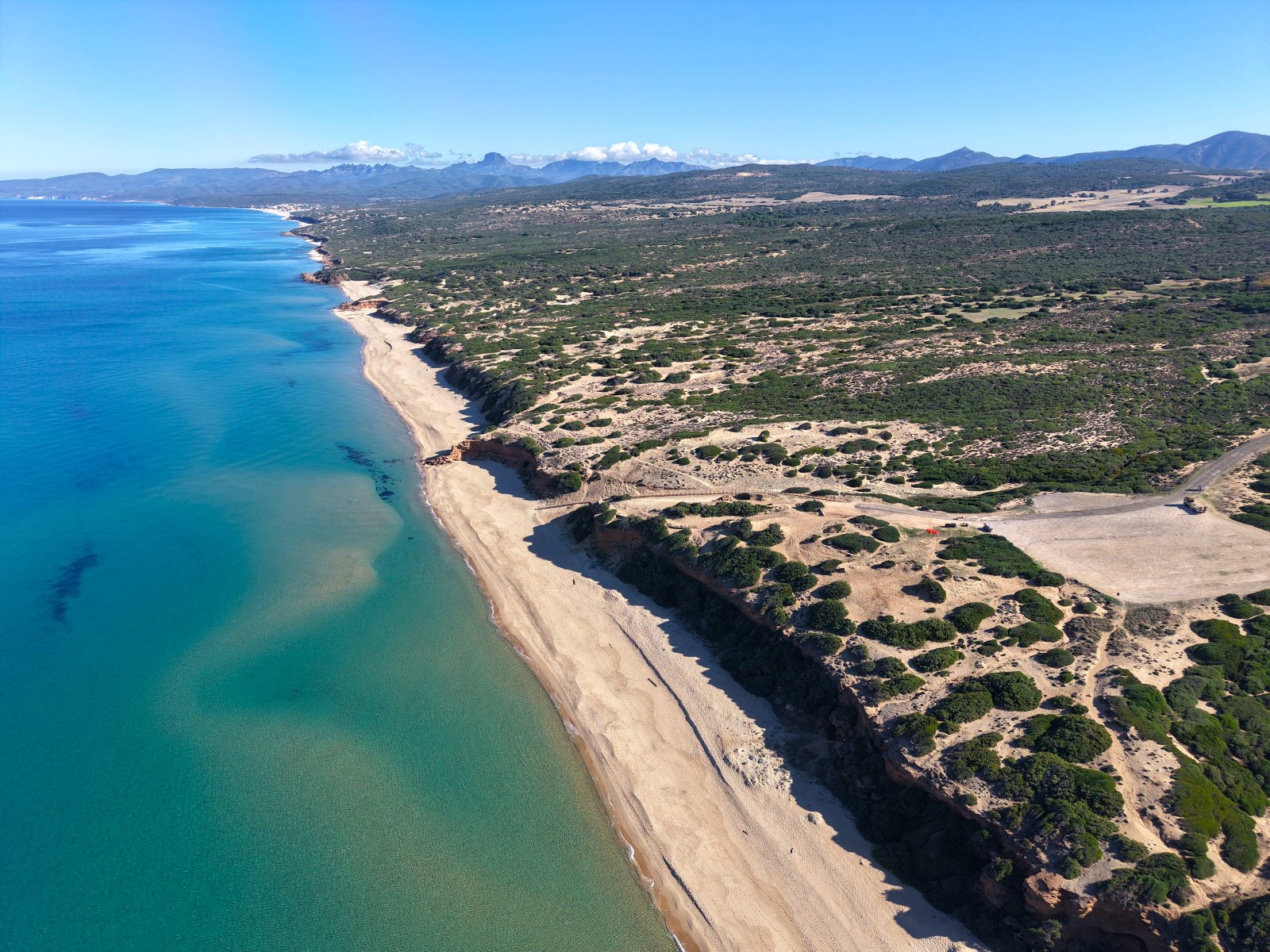
Today, only about ten residents remain, silent witnesses—together with the walls of this ghost town—to the charm that makes Ingurtosu so unique and special: from its small church built in 1916 by the great boss Lord Brassey, to the 1870 Management Palace known as “The Castle,” to all the surrounding mines, from Gennamari shaft to Piscinas, where the extracted minerals were transported all the way to the coast via the Brassey washing plant at Naracauli, before being loaded onto merchant ships.
The story of this place lingers in an atmosphere already imbued with the scents of Mediterranean scrub covering its mountains and hills—an air made even richer by the glorious history of one of Europe’s most important mining productions, alongside the turbulent tales of Sardinian banditry, which marked the decades after World War II. Chronicles even recount what was called “the Heist of the Century,” when nine heavily armed bandits stormed the Management Palace, stole the staggering sum of 19 million lire, and left behind two dead before the Carabinieri of Guspini, Iglesias, and Ingurtosu managed to capture and dismantle the gang.
Today, Ingurtosu tells its story through the traces of a past that still lives on in the alleys of the village, and thanks to its mining sites now turned into museums—such as the Gal Shaft—where visitors can take a journey back in time to discover a historical period that represents the true identity of this corner of Sardinia.