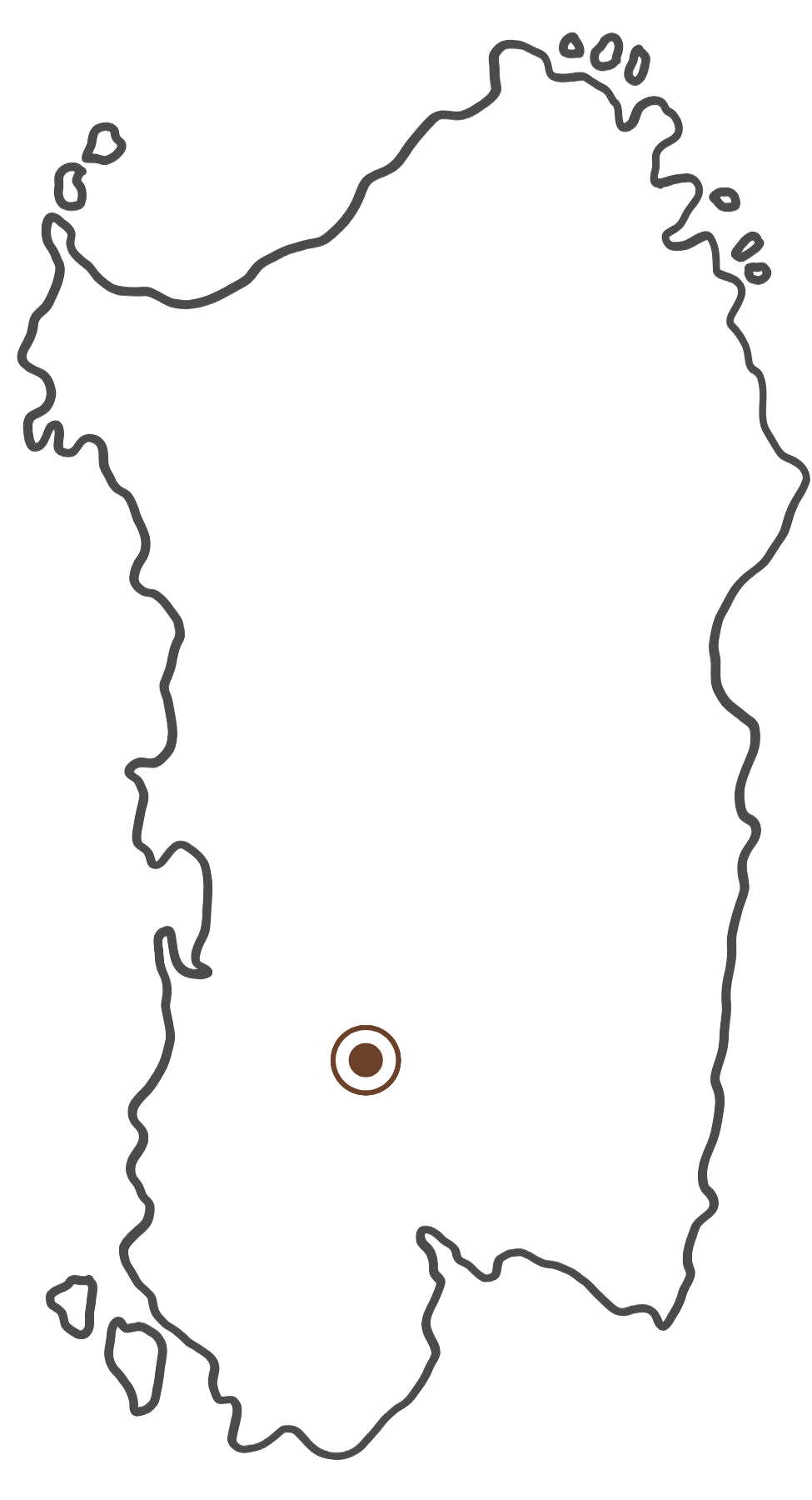
In Sanluri, bread has never been just food. It has been a measure of time, a unit of labor, the tangible result of a land that for generations revolved around wheat. Here, the bond between the soil and those who cultivated it became so deep that it turned into identity.
“Su Civraxu,” the large semolina bread made from durum wheat, with its thick crust and dense texture, remains one of the community’s most recognizable symbols. It was not created for aesthetics or fashion, but out of necessity. It had to last, to nourish, to sustain long days in the fields.
The Bread Museum, “La Casa del Pane,” tells this story beginning with the gesture itself. Sowing, milling, kneading, waiting for the dough to rise, baking.
A process that demands knowledge, precision, and respect for timing. The exhibition guides visitors through traditional tools, reconstructed settings, and historical accounts that reveal the concrete importance of breadmaking within Mediterranean culture.
This is not simply about observing objects from the past. It becomes clear how bread shaped social life, marked the rhythm of agricultural seasons, and strengthened family and community bonds. Every tool on display speaks of skilled hands, inherited practices, and expertise refined over centuries.
Visiting La Casa del Pane means stepping into the agricultural and cultural dimension of Sanluri, understanding how something seemingly simple can tell the story of an entire territory. It is an experience that brings together memory, tradition, and awareness, placing back at the center what for a long time was the beating heart of the community.