


Selvaggio Blu
Between sheer cliffs plunging into the sea and ancient trails: the fascinating story of the trek that tells the story of Sardinia's purest, most vertical nature.
Born from the meeting between the rugged rock of the Supramonte and the crystal-clear waters of the Gulf of Orosei, the Selvaggio Blu, spanning a total length of roughly 50 kilometers, is a trek that crosses a land shaped by time, the wind, and the centuries-old work of Baunei's goat herders.
Among dense holm oak forests, hidden codule (canyons), and limestone ledges suspended over the void, this stretch of coastline provides one of the most imposing and best-preserved natural landscapes in the entire Mediterranean basin.
In this deep dive, we will explore the history, environment, and philosophy of respect that make Selvaggio Blu much more than a simple route, a true symbol of Sardinia's purest and most authentic side.
Did You Know?
First mapped in 1988 by Peppino Cicalò and Mario Verin, the Selvaggio Blu retraces ancient paths once used by local charcoal burners and goat herders. Today, geography and outdoor journals widely regard it as one of the most isolated, complex, and spectacular treks in Europe.
Supramonte
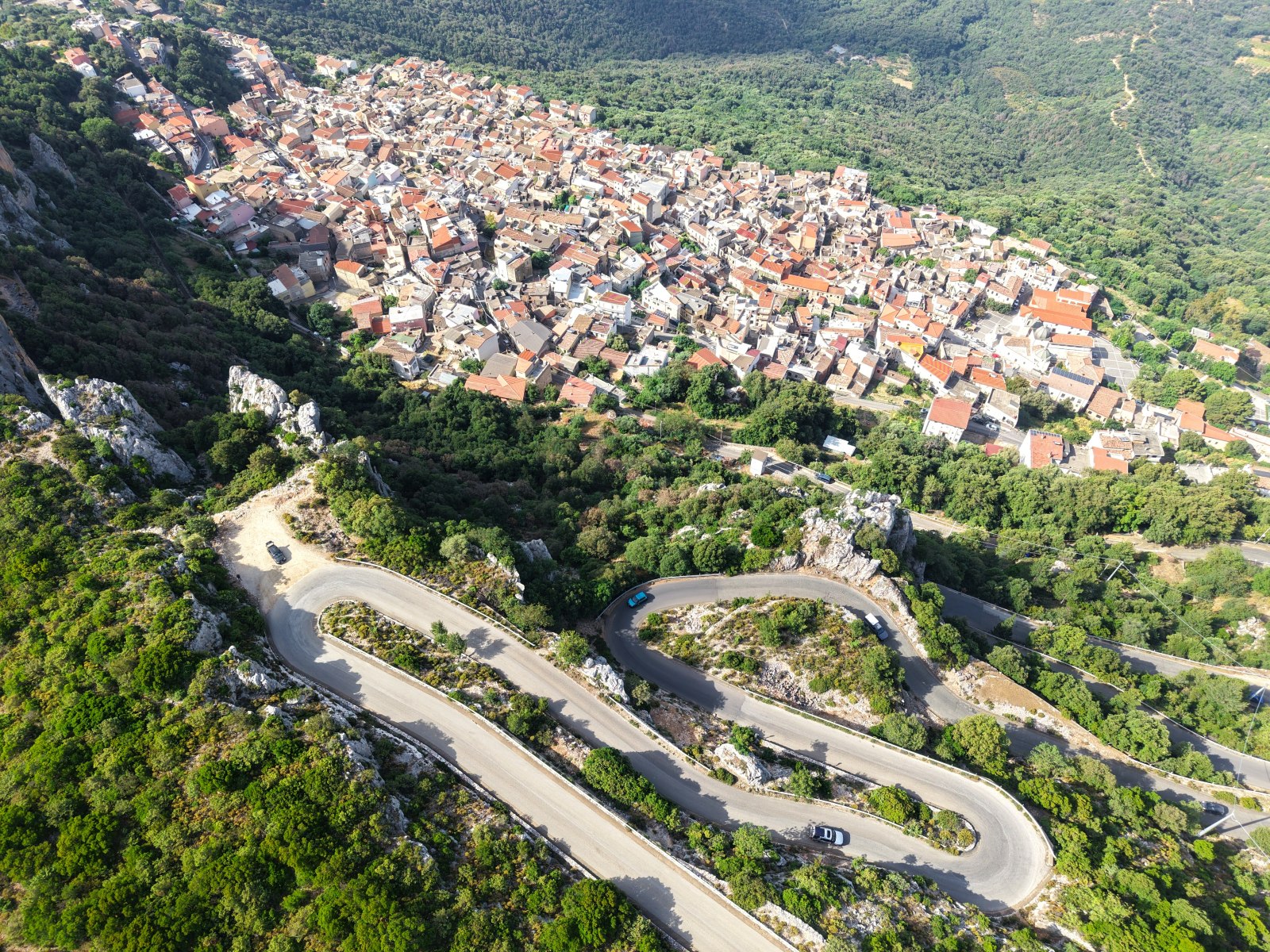
Imposing, rugged, and isolated, the Supramonte of Baunei rises as a giant limestone wall plunging dramatically into the turquoise waters of the Gulf of Orosei. This region is a geological labyrinth shaped over millions of years: a karst plateau carved by deep canyons, hidden sinkholes, and towering white rock bastions molded by the relentless action of rain and wind.
What makes this area truly unique in the entire Mediterranean basin is its complete absence of infrastructure and conventional roads. This natural inaccessibility has served as a protective shield, preserving the landscape in a state of primordial, solemn beauty, where the silence is broken only by the sound of the sea and the call of birds of prey soaring above.

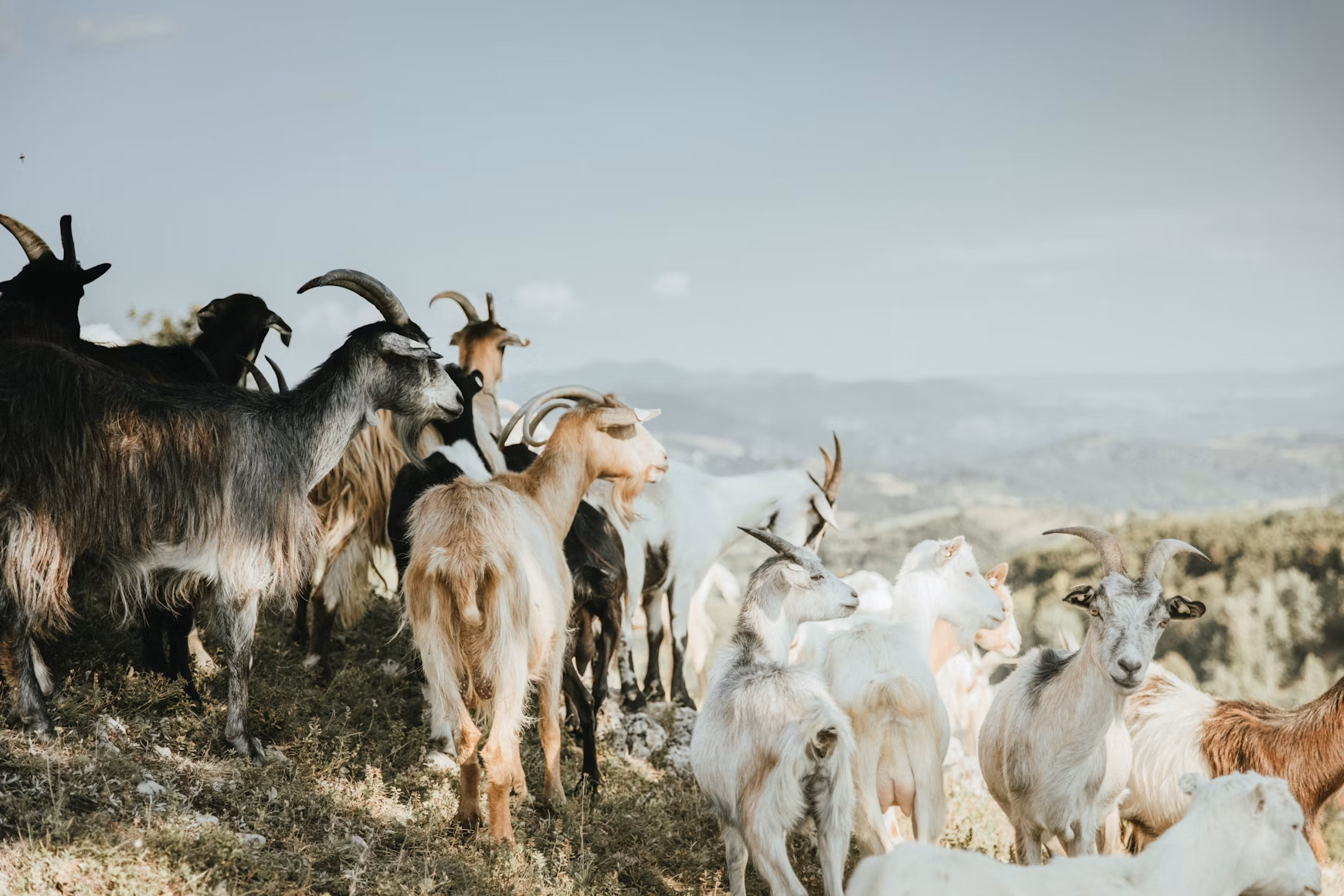
Goat Herders and Charcoal Burners
Behind the apparent inhospitality of these stone walls lies an extraordinary story of human adaptation. For centuries, the only people able to decipher the secrets of this labyrinth were local goat herders and, toward the end of the 19th century, mainland charcoal burners who arrived on the island to harvest the inland forests. With skill and courage, they mapped out the only viable passages through the rock and dense scrub, leaving behind an invaluable ethno-architectural heritage.
Emblematic of this legacy are the Cuiles, traditional ancient sheepfolds built against the rock face using dry-stone bases and roofs woven from centuries-old juniper branches. Equally spectacular are the Escalonis: ingenious ladders crafted by wedging juniper branches into rock crevices. These aerial walkways allowed herders to navigate dizzying drops in elevation and stand today as a testament to the unbreakable bond between man and the mountain.
Flora and Fauna
Beneath the mineral majesty of the limestone walls beats a botanical heart of rare lushness. The rugged inaccessibility of the area has preserved ancient holm oak forests that have survived through the centuries, alongside wind-twisted junipers that resemble natural sculptures. The air is perpetually infused with the intense aromas of the Mediterranean scrub: mastic, strawberry tree, phillyrea, and myrtle form a fragrant green canopy that shields the soil and shapes the landscape.
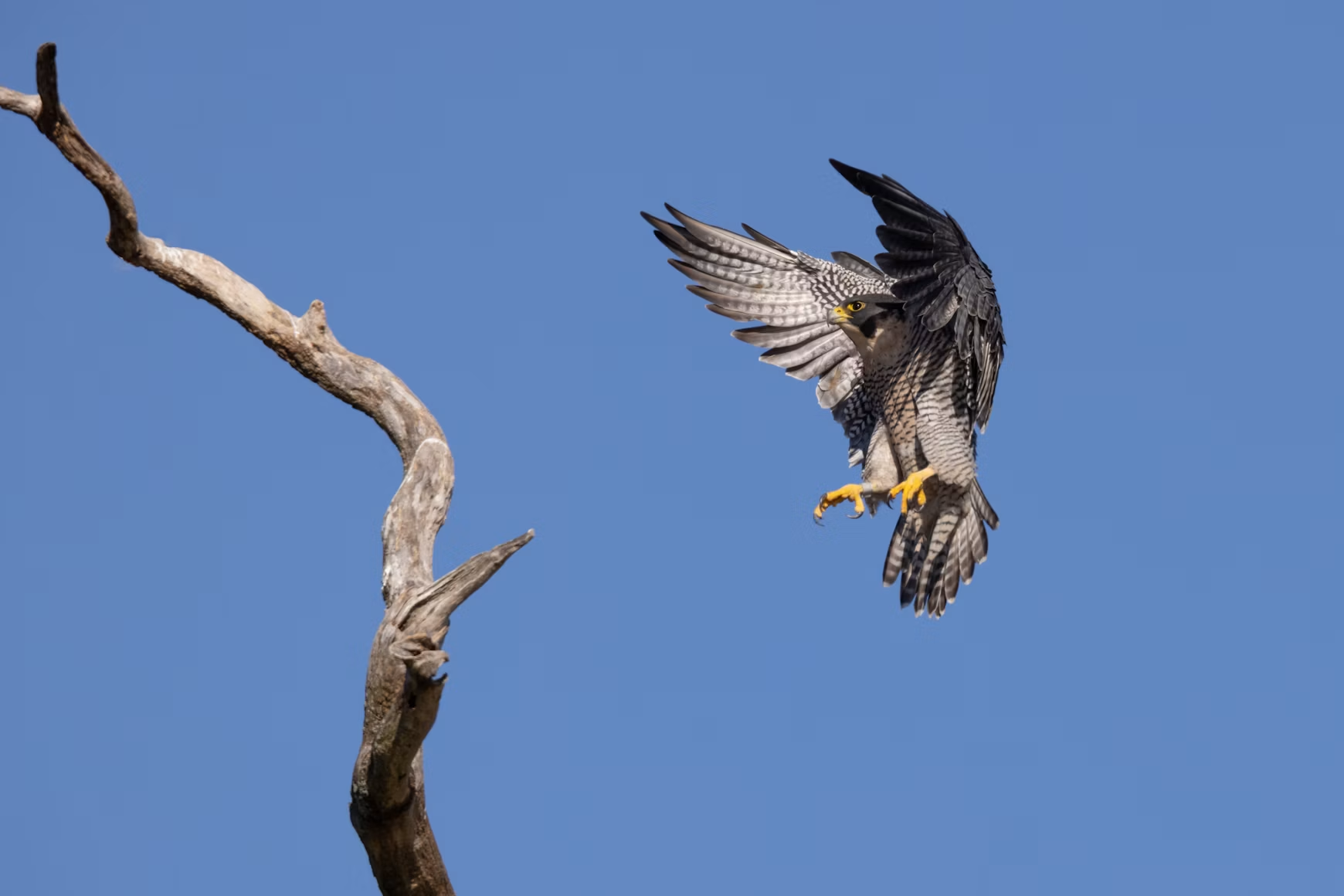
This pristine ecosystem is a sanctuary of invaluable biodiversity. Among the inaccessible ledges and cliff faces nests the rare Eleonora's falcon, which chooses these seaside cliffs to breed after long migrations, alongside the golden eagle and the peregrine falcon. Within the woods and along the ridges, it is not uncommon to catch sight of the mouflon, an icon of Sardinian wildlife, moving with quiet elegance through one of its last natural havens.

Rock and Sea
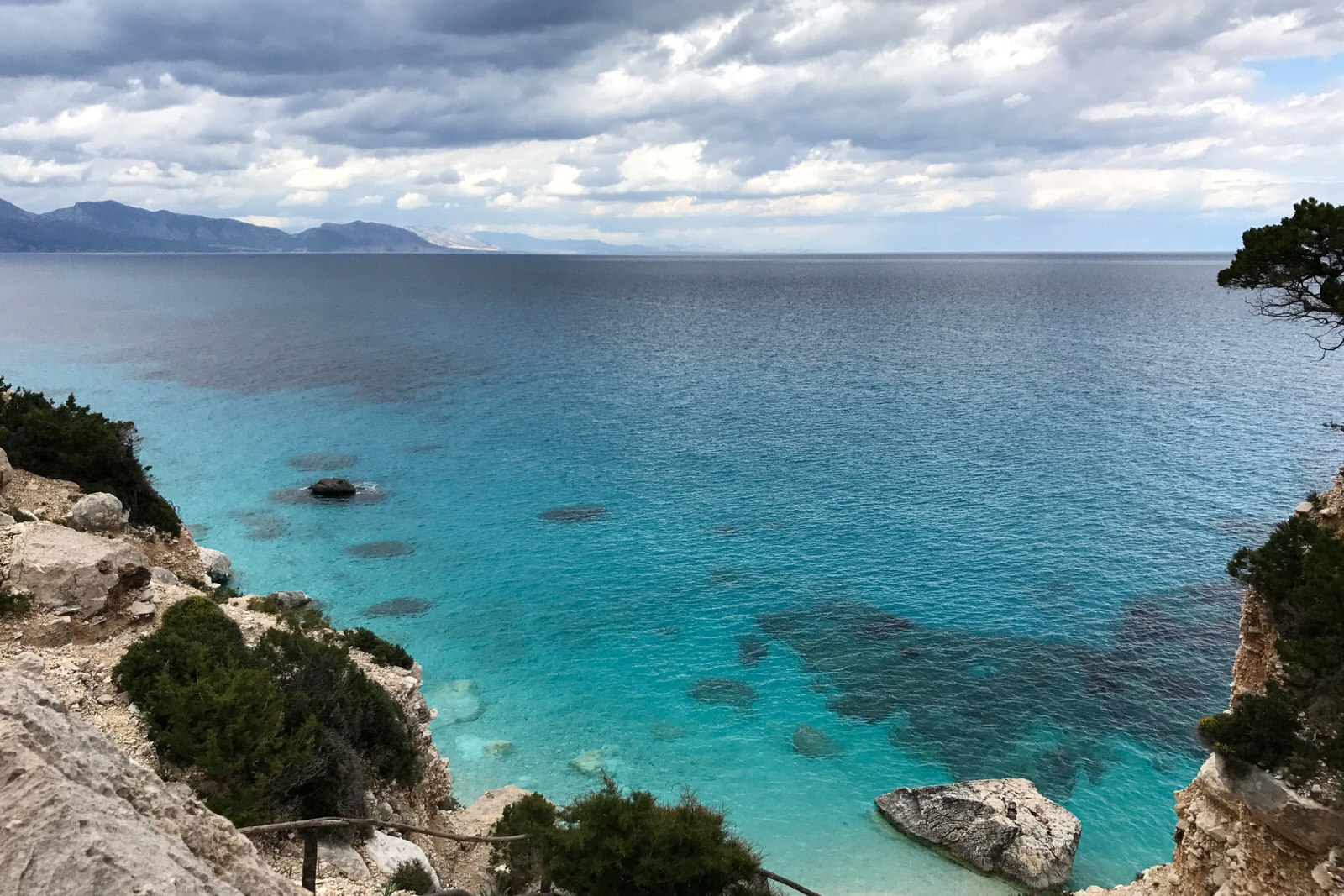
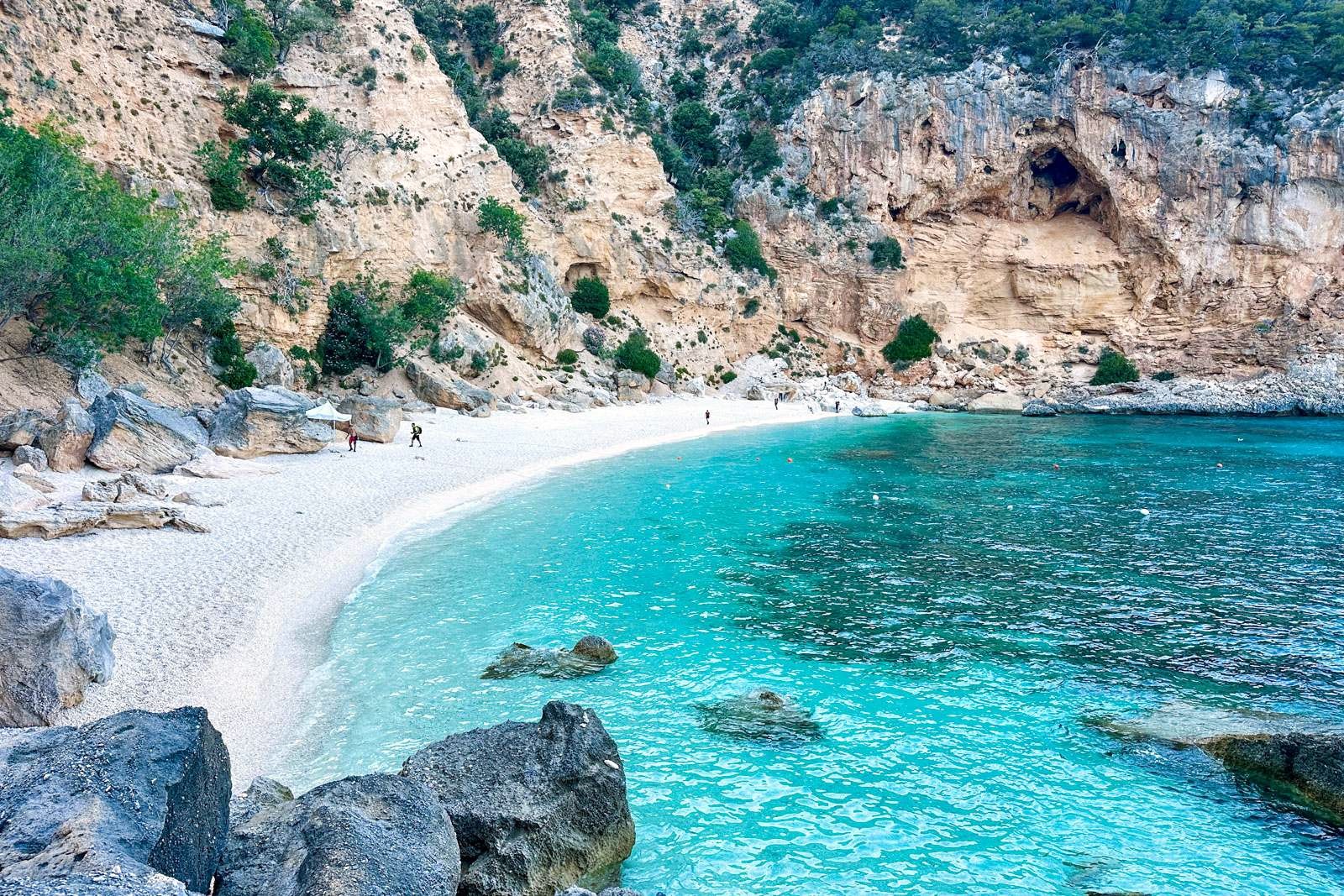
The ruggedness of the interior finds its spectacular outlet along the coastline, where the codule, ancient river gorges carved into the limestone, open toward the sea, creating landscapes of almost surreal beauty. It is here that the limestone rock meets crystal-clear waters, giving rise to some of the most famous and photographed coves in the world.
The most iconic example is Cala Goloritzé, dominated by its famous stone pinnacle standing over 140 meters high and framed by a natural arch sculpted by the sea. Continuing north, other monumental valleys open into the white pebble shores of Cala Sisine and the spacious limestone caves of Cala Luna. At these points, the striking color contrast between the dazzling white rock, the lush green vegetation, and the endless shades of turquoise sea delivers a visual spectacle of unmatched power and harmony.
Exploration and Conservation
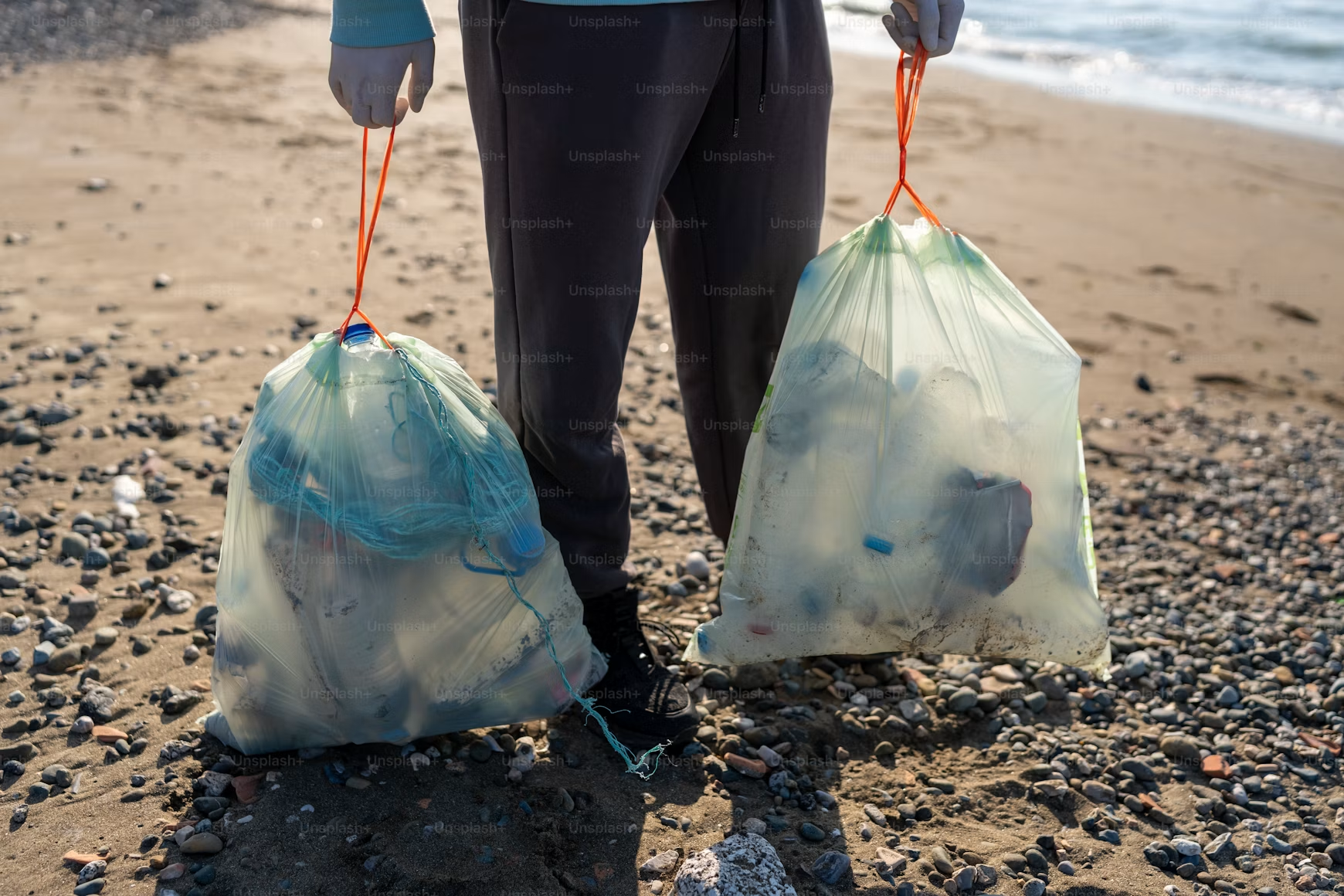
The extraordinary beauty of the Baunei territory and the Gulf of Orosei comes with a strong, shared responsibility. Isolation, scarce water resources, and fragile natural balances make this environment as inherently delicate as it is captivating. Experiencing and sharing this place requires, above all, a deep humility and respect for the history and nature of Sardinia.
Preserving this heritage means fostering a culture of conscious exploration built on the principles of "Leave No Trace": respecting native flora, leaving wildlife undisturbed, and safeguarding the historic structures left behind by the goat herders. The true challenge for the future lies in protecting the authentic, wild soul of this coastline, and of Sardinia as a whole, ensuring it remains pristine and majestic for generations to come.
Info and Practical Tips
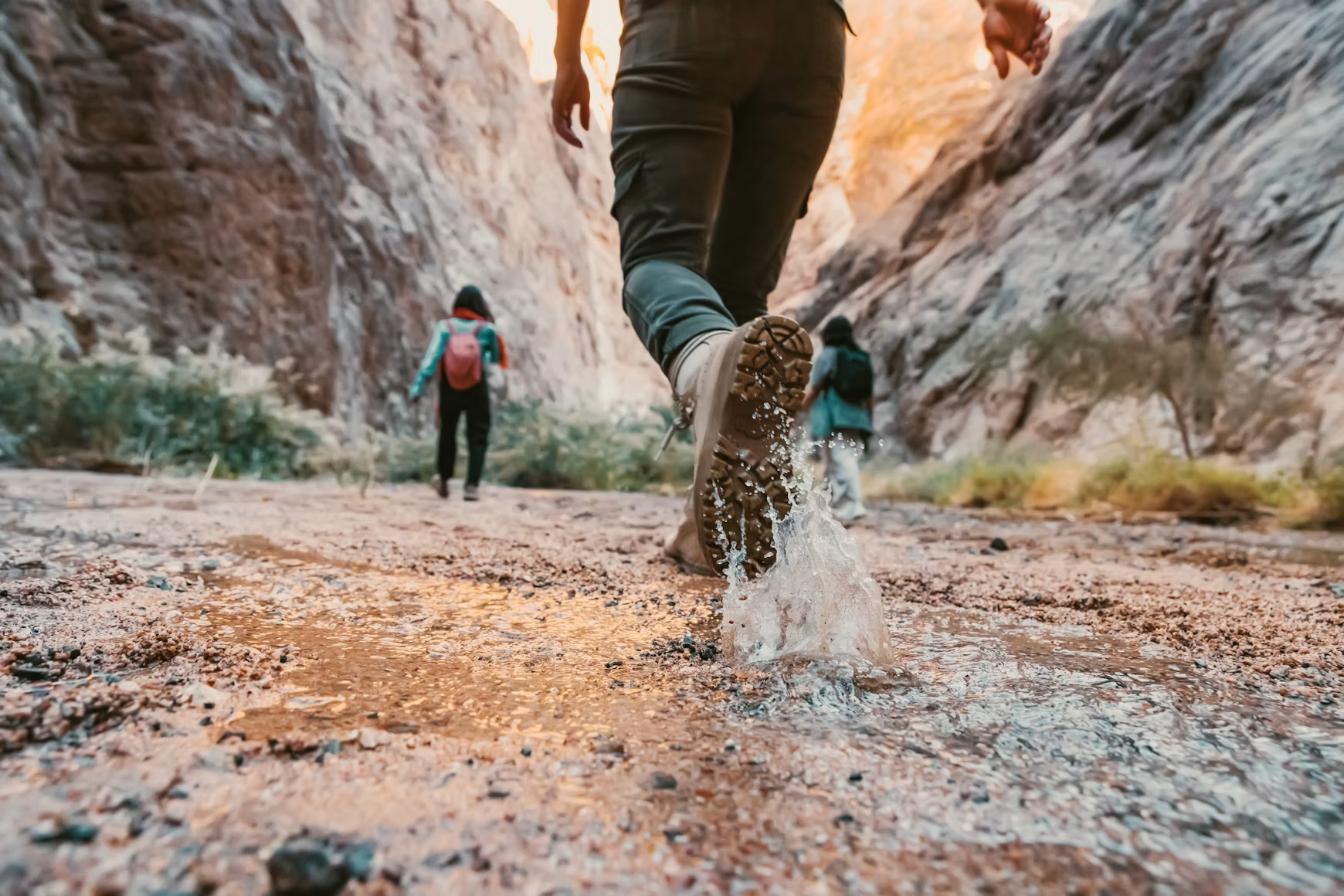
Tackling the Selvaggio Blu requires meticulous preparation and a deep awareness of one's own limits. The route covers roughly 50 kilometers with a total elevation gain exceeding 3,000 meters, winding through sections of walking over extremely rugged rock, abseils, and exposed passages. The best times to experience it are spring and autumn, when temperatures are mild and the days offer the ideal light for the traverse.
Since this is a harsh environment with no water sources along the trail, having the right equipment is essential: sturdy trekking boots with excellent grip, breathable layered technical clothing, a harness, helmet, and ropes for the mountaineering sections, as well as a substantial water supply. Due to the complexity of navigation and supply logistics, relying on local mountain and hiking guides is strongly recommended, as they can ensure safety, logistical support, and an authentic understanding of the area.
But the story doesn’t end there…
The island holds an endless network of trails and paths waiting to be discovered: from the mining and spiritual stages of the Cammino Minerario di Santa Barbara to the breathtaking views along the Cammino delle Cento Torri, all the way to the wild trails of the Supramonte and Gennargentu. This heritage of slow-paced itineraries, combining sea, history, and nature, makes Sardinia one of Europe's most captivating and diverse hiking destinations.

Would you like to plan an itinerary?
Let us know which sites you’d like to visit, and we’ll create a tailor-made itinerary for you.